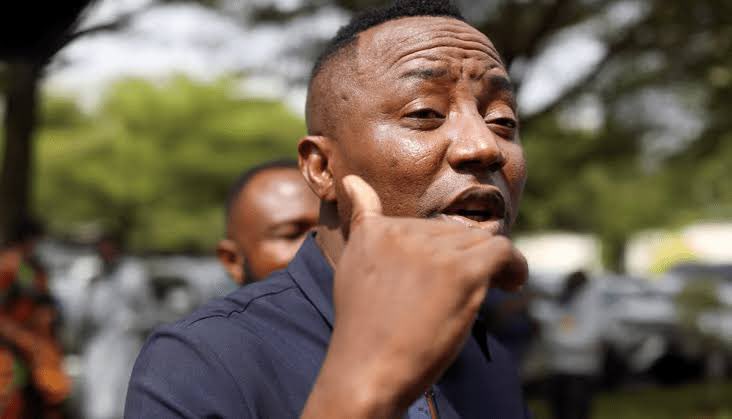
The remand of activist Omoyele Sowore in Kuje Correctional Centre marks a significant escalation in Nigeria's ongoing political tensions. The Federal High Court in Abuja made the ruling following allegations of cybercrime against Sowore, who has been a vocal critic of the government and a prominent figure in the African Action Congress. His arrest has drawn widespread condemnation from civil society groups, who view it as an attempt to silence dissent.
Sowore, who previously faced charges related to his role in the #RevolutionNow protests, has consistently argued that his activism is aimed at fostering democratic governance in Nigeria. "This is a clear attempt to intimidate those who stand for justice and accountability," said Aisha Yesufu, a prominent activist. The government's crackdown on dissent raises serious concerns about the state of free speech and political expression in the country.
As Nigeria approaches critical elections, the implications of Sowore's detention could reverberate through the political landscape, galvanizing opposition voices and igniting further protests against perceived authoritarianism. The situation warrants careful monitoring, as it may define the contours of Nigeria's democratic future.