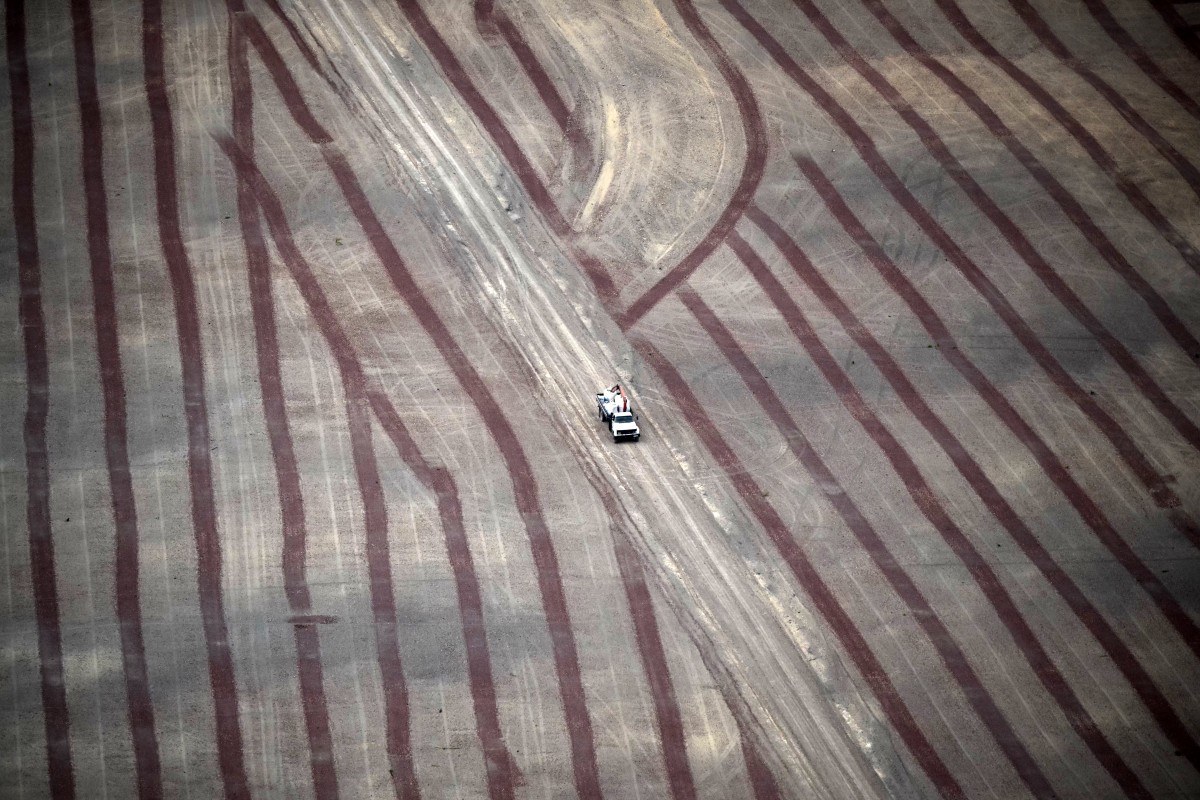
Ecuador's decision to initiate fracking in the Amazon rainforest marks a significant turning point in its energy strategy, igniting fierce debates over the environmental implications. The country aims to tap into vast reserves of natural gas and petroleum, which are seen as crucial for economic development. However, this controversial technique raises alarms among environmentalists and indigenous communities who fear irreversible damage to one of the world's most biodiverse ecosystems.
Critics argue that fracking could lead to water contamination and disruption of local wildlife, with potential long-term consequences for both the environment and indigenous livelihoods. "We are deeply concerned that this decision will endanger our ancestral lands and the delicate balance of nature," stated José Luis Cañar, a representative of the Indigenous Federation of Ecuador.
As Ecuador pursues its energy ambitions, the tension between economic growth and environmental stewardship will be pivotal. The outcome of these operations could set a precedent for similar initiatives in the region, influencing not only Ecuador's ecological policies but also responses from neighboring countries grappling with similar dilemmas. The world will be watching closely as this situation unfolds.