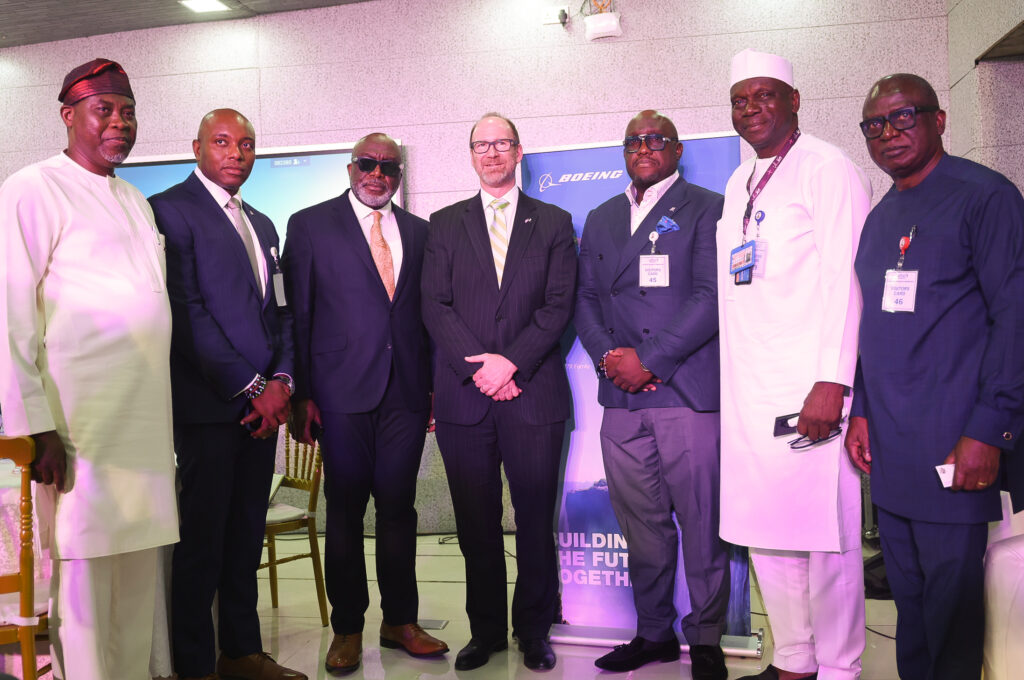
Boeing's recent decision to localize 737NG training in Lagos marks a significant shift in Nigeria's aviation sector, relieving domestic airlines from the financial burden of foreign currency expenditures for maintenance training. Historically, Nigerian carriers have faced exorbitant costs by sending personnel abroad, exacerbating foreign exchange constraints in an already challenging economic environment.
The Lagos facility offers a more sustainable training solution, allowing airlines to cultivate skilled technicians locally. "This initiative not only reduces operational costs but also enhances our capacity to maintain aircraft in compliance with international standards," said Ayo Odukoya, CEO of a Nigerian airline. This move aligns with broader efforts to strengthen Nigeria's aviation infrastructure and promote local expertise.
As the aviation sector grapples with inflation and currency volatility, Boeing's localization effort is poised to enhance operational efficiency and foster growth. By investing in local training, the airline industry can reduce reliance on foreign resources, ultimately positioning itself for recovery and expansion. As Nigeria continues to navigate economic challenges, such initiatives could play a crucial role in revitalizing the sector and enhancing its global competitiveness.
