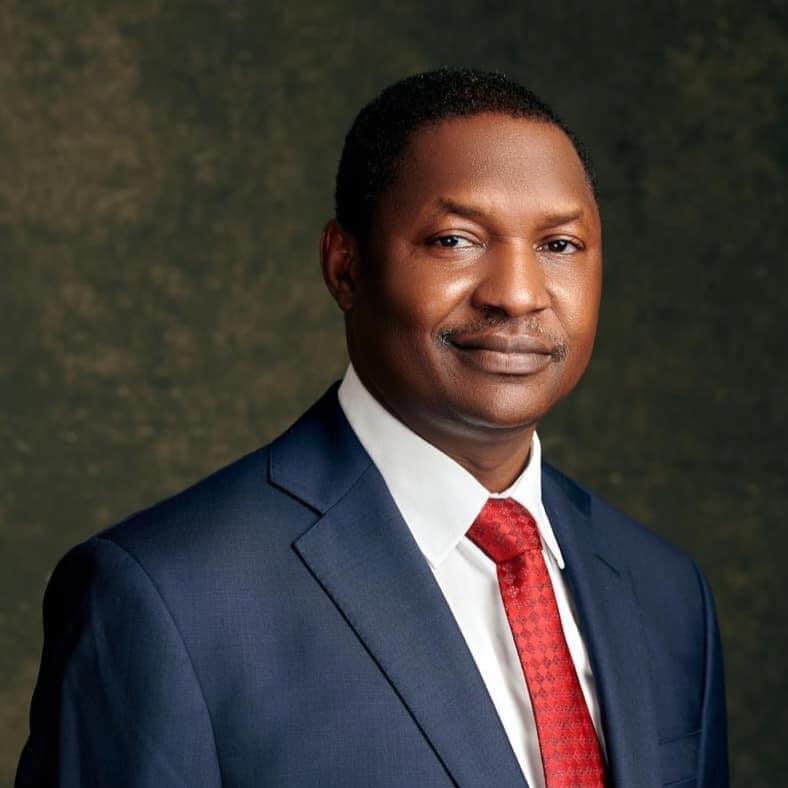
The ongoing legal saga surrounding the forfeiture of properties linked to Nigeria's former Attorney General, Abubakar Malami, continues to unfold as the court once again adjourned judgment. This case, which has drawn significant public and media attention, stems from allegations of corruption and misuse of office. The latest motion, filed in February and supported by a comprehensive affidavit, reflects mounting scrutiny of Malami’s financial dealings.
Counsel for the plaintiff, Okutepa, emphasized the thoroughness of their case, stating, “We have presented extensive evidence to support our claims, and it is imperative that justice is served.” This case not only raises questions about Malami's alleged misconduct but also highlights broader issues of accountability within Nigeria's political elite.
As the court delays its judgment once more, the implications for Malami and the integrity of Nigeria's judicial system remain significant. Observers are keenly watching for the eventual outcome, which could set a precedent for how corruption cases are handled in the country. The growing demand for transparency and justice suggests that the stakes have never been higher for all parties involved.