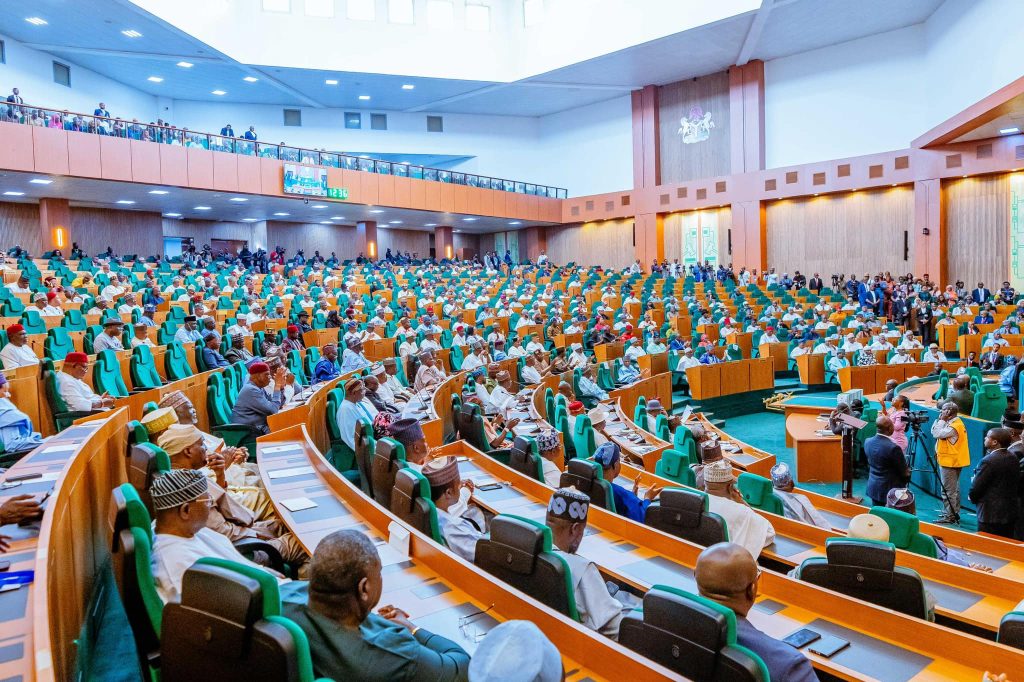
As Nigeria gears up for the 2027 elections, the recent defection of nineteen National Assembly members to the Nigeria Democratic Congress (NDC) underscores the deepening political crises affecting the assembly. This shift not only strengthens the NDC but also signals a potential reconfiguration of alliances as factions within the ruling party grapple with dissatisfaction over governance issues.
The defections come at a critical time, reflecting widespread discontent among lawmakers regarding policies and leadership approaches. Analysts suggest that the NDC is capitalizing on these internal rifts to position itself as a viable alternative. “This move illustrates a growing recognition among politicians that change is necessary for progress,” stated Dr. Amina Suleiman, a political analyst. She emphasized that the NDC could harness this momentum to attract more support from disillusioned voters.
Looking ahead, the NDC’s consolidation of power could reshape Nigeria's political landscape, potentially leading to a more competitive election cycle. As the assembly faces increasing scrutiny, the upcoming months will reveal whether this trend continues, further destabilizing the ruling party or solidifying the NDC’s role as a formidable challenger.