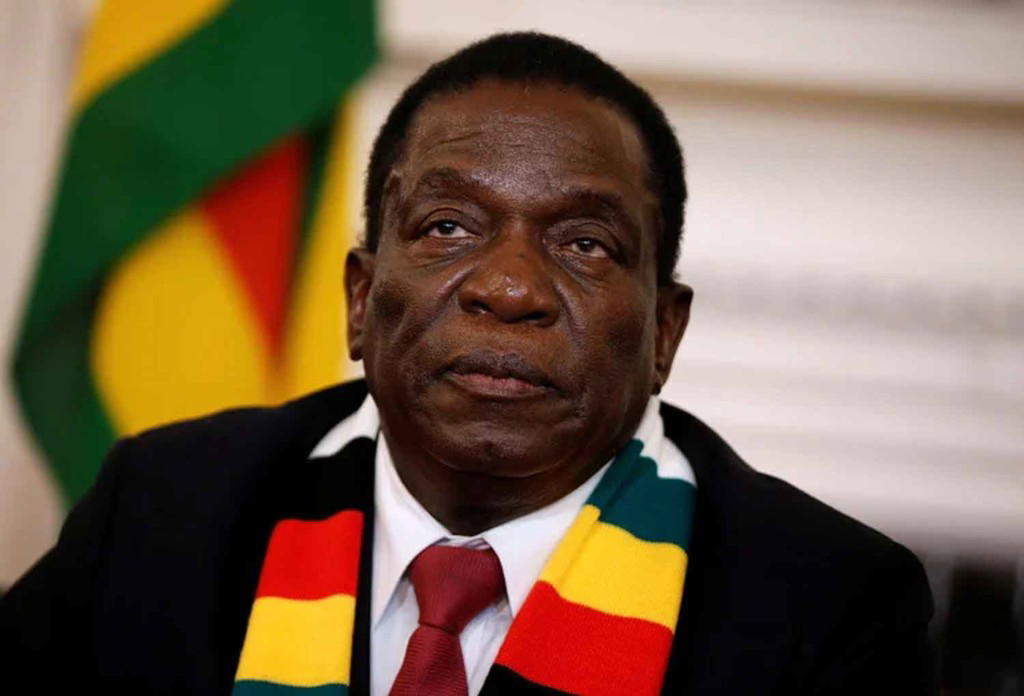
Zimbabwean President Emmerson Mnangagwa has officially extended his term by two years, with the recent signing of a constitutional amendment. This decision, announced on July 7, 2026, has sparked debates about the implications for democracy in Zimbabwe. Critics argue that the move undermines electoral integrity and consolidates power, while supporters claim it is a necessary step to ensure stability.
The constitutional change allows Mnangagwa to remain in office until 2030, raising concerns among opposition leaders and civil society. “This amendment is a blatant attempt to sidestep democratic processes and entrench authoritarian rule,” said Tendai Biti, a prominent opposition figure and former finance minister. His remarks underscore the growing unease surrounding the political landscape in Zimbabwe.
As the nation grapples with economic challenges and widespread discontent, the extension could exacerbate tensions between the government and its critics. Observers will closely monitor the political climate leading up to the next elections, as the potential for unrest looms large. The future of governance in Zimbabwe hangs in the balance as citizens question the legitimacy of their leadership.