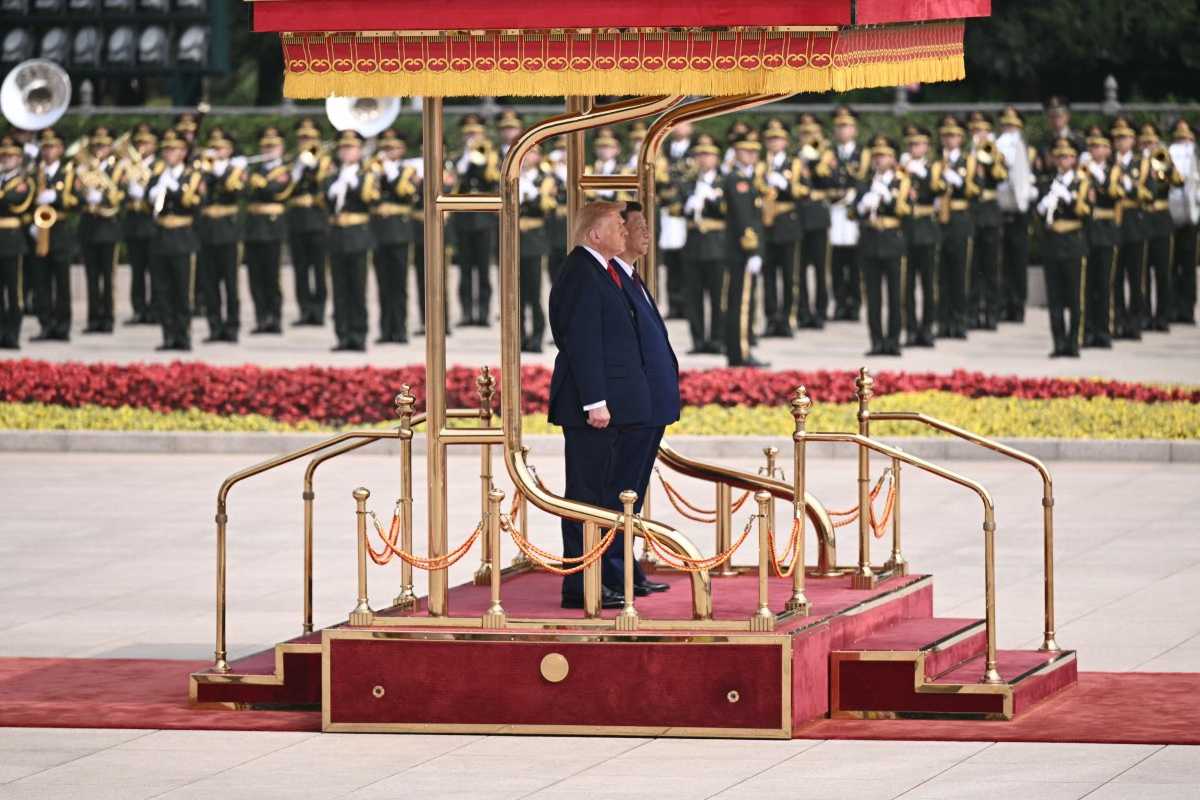
In the heart of Beijing, a city pulsating with political tension and the energy of a rapidly modernizing China, a significant diplomatic moment unfolded. The summit between President Xi Jinping of China and former U.S. President Donald Trump drew global attention as the leaders navigated the volatile waters of international relations, with Taiwan emerging as the focal point of their discussions. Amidst the grandeur of the Great Hall of the People, where tradition and power intersect, Xi Jinping asserted the non-negotiable nature of Taiwan's status, underscoring it as the most critical issue in Sino-American relations.
The Taiwan question has long been a thorny issue in the diplomatic ties between China and the United States. Taiwan, an island of 23 million people, has been self-governed since the end of the Chinese Civil War in 1949, yet China considers it a breakaway province that must be reunited with the mainland, by force if necessary. The United States, while recognizing the "One China" policy, has maintained unofficial relations with Taiwan and is its principal arms supplier, a fact that has often strained relations with Beijing.
The significance of this moment is amplified by the historical backdrop of U.S.