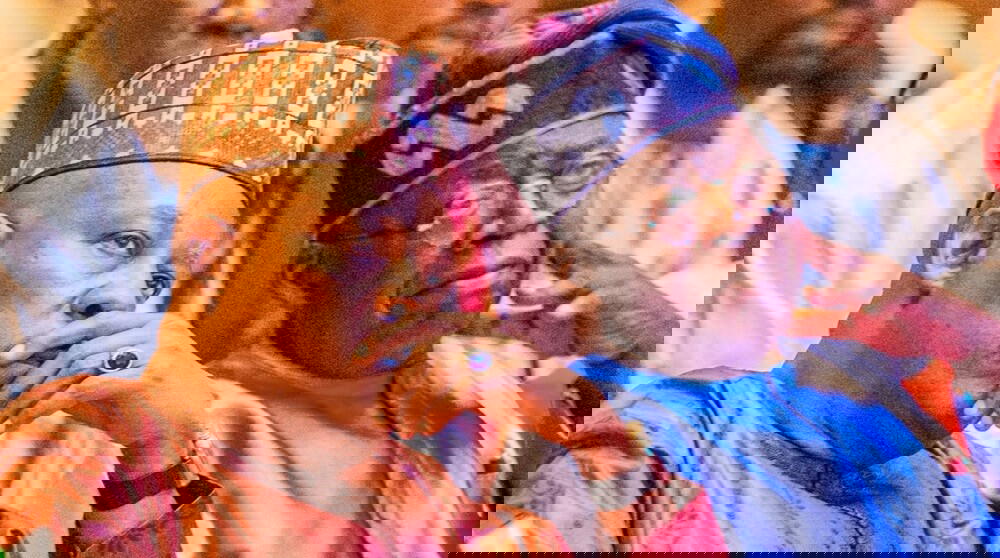
As Nigeria approaches its upcoming elections, the concept of "WUNTISM" has emerged as a critical framework for understanding the political landscape. This ideology advocates for a transformative approach to governance, prioritizing societal welfare over mere electoral success. Key political figures are increasingly recognizing that the essence of politics transcends winning votes; it is about crafting innovative solutions for pressing national issues.
In recent discussions, political analyst Dr. Ejiro Afolabi emphasized the importance of this mindset, stating, "WUNTISM challenges political leaders to engage with citizens actively and constructively, fostering a more inclusive democracy." This perspective urges politicians to move beyond traditional campaigning tactics and focus on genuine dialogue and problem-solving, resonating particularly with younger voters who demand accountability and progress.
Looking forward, as Nigeria's political environment continues to evolve, the adoption of WUNTISM could reshape electoral dynamics, encouraging candidates to prioritize meaningful engagement and social welfare initiatives. If embraced, this philosophy may not only enhance voter participation but also lay the groundwork for a more resilient and responsive governance model in Nigeria.