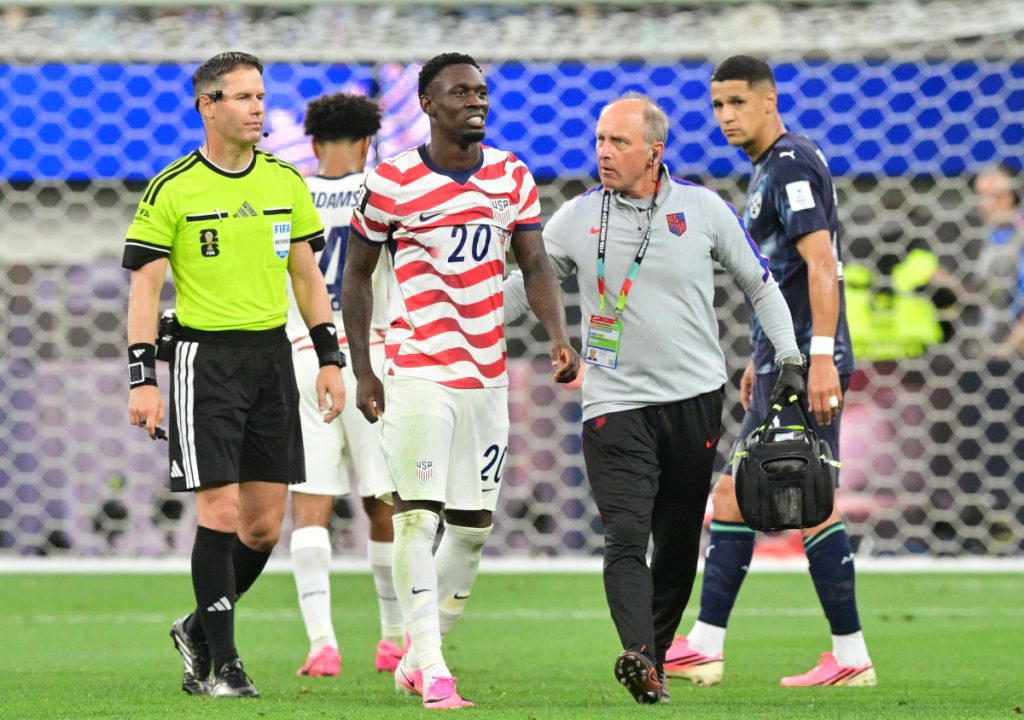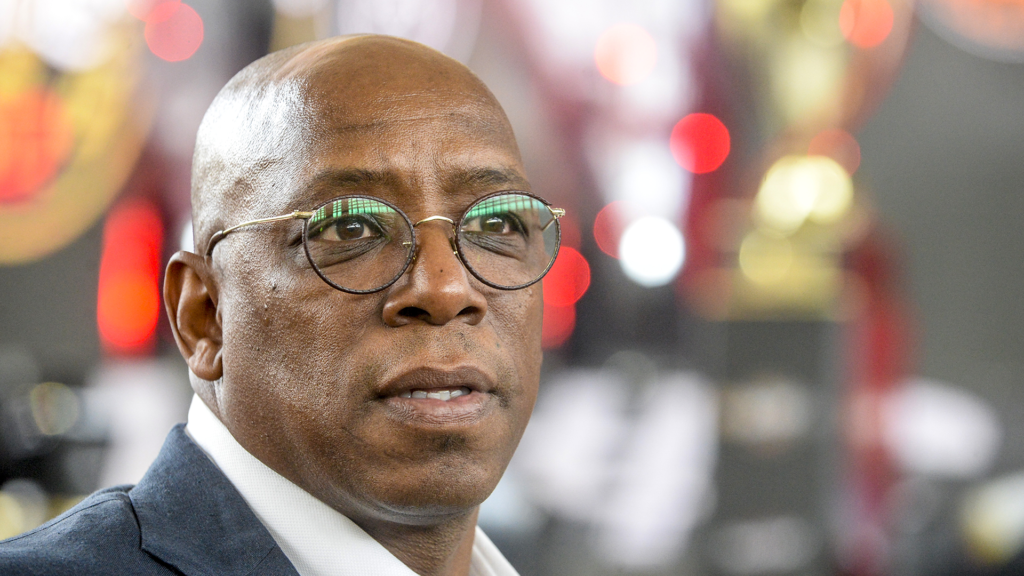
The 2026 FIFA World Cup has come under fire for its apparent organizational failures, notably highlighted by the denial of entry to Somali referee Abdiqani Said Arab. Former England striker Ian Wright condemned the situation, labeling the tournament a “World Cup of chaos.” This incident raises questions about the preparedness of host nations to welcome international officials and athletes, especially from diverse backgrounds.
Abdiqani's situation is emblematic of broader issues, including the scrutiny of immigration policies and the need for seamless coordination among FIFA, local authorities, and security agencies. As the world's attention turns to the United States, Canada, and Mexico for this prestigious event, the spotlight is increasingly on how effectively these nations can manage logistical challenges while ensuring inclusivity and fairness.
Wright's comments underscore a growing frustration among players and fans alike regarding the organizational integrity of the tournament. As the World Cup approaches, stakeholders must address these concerns to restore faith in the event's administration and ensure that it fulfills its promise of unity and celebration in football. The path ahead requires diligence and a commitment to rectify these early missteps.