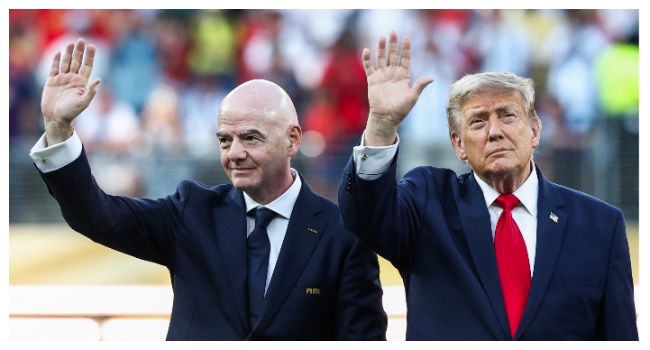
The 2026 World Cup unfolded as a largely uncontroversial spectacle until Folarin Balogun became embroiled in a political uproar, overshadowing some remarkable moments on the field. Balogun's comments, perceived as critical of his home country's political climate, ignited debates about athletes' roles in social issues, highlighting the intersection of sports and politics in an evolving global landscape.
Meanwhile, lesser-known teams made headlines by defying expectations, showcasing their talents and determination. The "minnows," as they are affectionately dubbed, captured the hearts of fans with their spirited performances, proving that the tournament is not solely about the giants of the game. "These teams remind us why we love football," said FIFA President Gianni Infantino, emphasizing the importance of inclusivity in the sport.
As the tournament winds down, the focus shifts to how these narratives will shape the future of football and its players. The interplay between athletic prowess and political discourse suggests that the next World Cup may be even more influenced by social issues, challenging athletes to navigate their roles both on and off the pitch.
