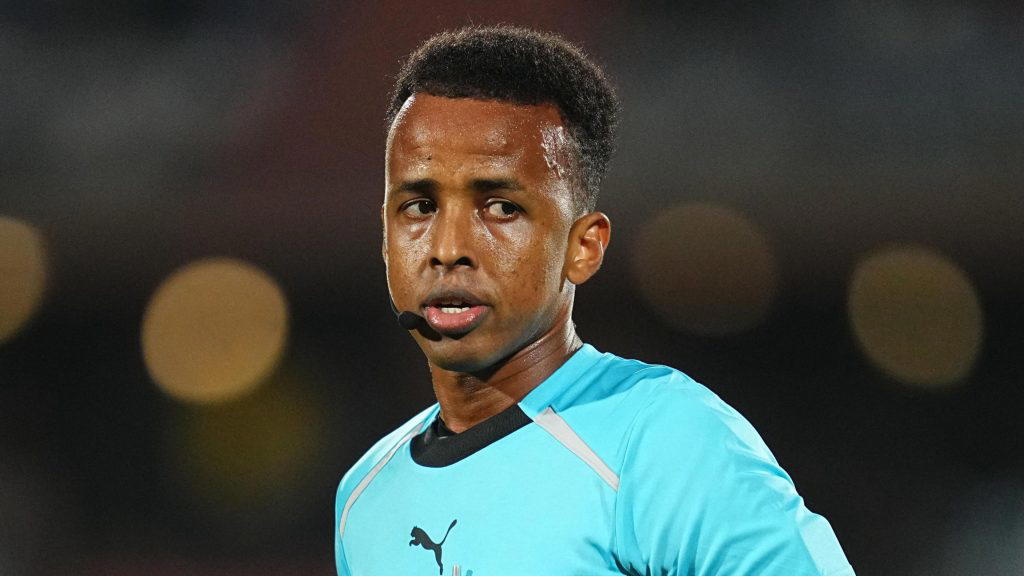
Somali referee Omar Artan's dream of officiating at the 2026 FIFA World Cup was abruptly dashed when U.S. immigration authorities denied him entry, citing visa issues. Artan, who has gained recognition for his officiating skills, contends that he possessed the correct travel documents, emphasizing, "I had a valid visa and fulfilled all requirements." His rejection not only denies him a historic opportunity as one of the first African referees at a World Cup but also raises concerns about the complexities surrounding international travel for sports professionals.
The incident underscores the broader challenges athletes and officials from developing nations face when navigating stringent immigration policies. With the World Cup set to showcase global talent, Artan's experience reflects the hurdles that can obstruct promising careers. The situation also prompts critical discussions about the inclusivity of international sporting events, particularly for underrepresented nations.
Looking ahead, Artan's case may initiate dialogues on improving visa processes for international referees and athletes, ensuring that talent is not lost to bureaucratic barriers. As the world watches this year's tournament, the need for a more equitable framework in global sports governance becomes increasingly apparent.
