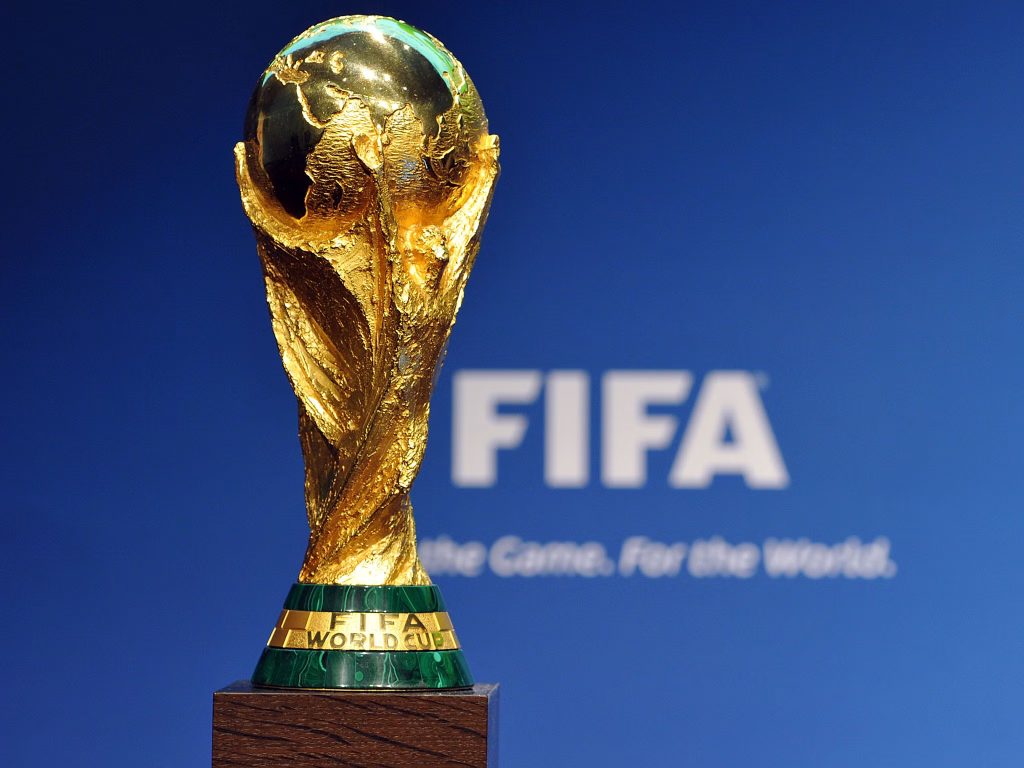
As the world gears up for the highly anticipated 2026 FIFA World Cup, the fervor and excitement among football enthusiasts are palpable. The tournament, set to kick off in just 30 days, promises to be a spectacle of skill, strategy, and sheer determination. The release of the power rankings for the top ten favorites to clinch the coveted trophy has only amplified the buzz, with fans and analysts alike dissecting the prospects of the teams that have made the list.
The World Cup is more than just a sporting event; it is a cultural phenomenon that brings the globe together every four years. Originating in 1930, the tournament has grown exponentially in scope and prestige, capturing the imaginations of millions across continents. The 2026 edition marks the first time the tournament will be hosted across three countries: the United States, Canada, and Mexico. This tri-nation hosting arrangement is a testament to FIFA's efforts to expand the reach and inclusivity of the event, reflecting the global nature of football. The expansion of the tournament to include 48 teams, up from the traditional 32, is another step in this direction, allowing more nations to compete on the world stage.