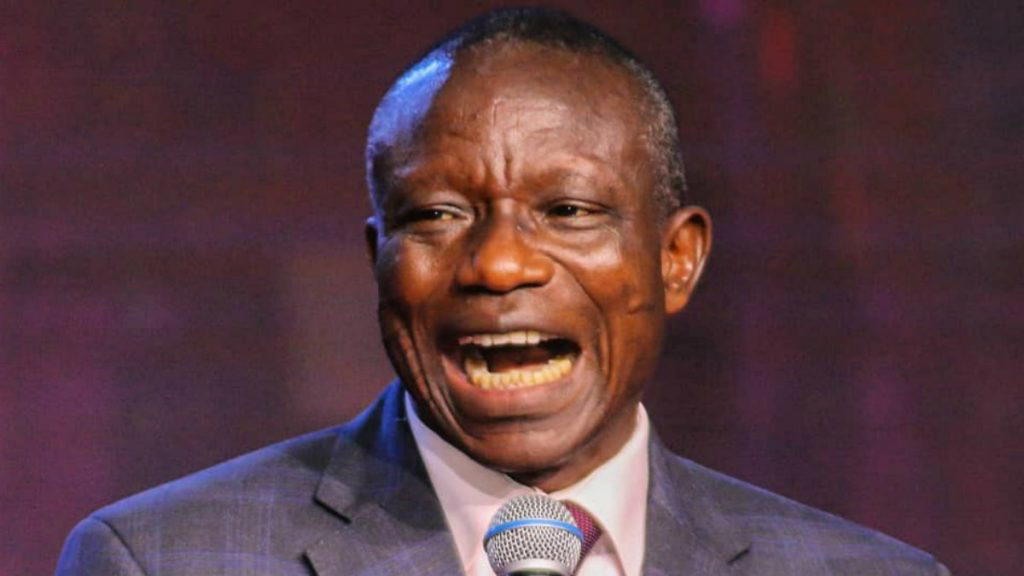
The disappointment surrounding Nigeria's Super Eagles missing out on the 2026 FIFA World Cup has resonated deeply across the nation, prompting strong reactions from political leaders. Nyesom Wike, the Minister of the Federal Capital Territory, voiced the collective frustration of Nigerians, highlighting the significance of the national team as a symbol of unity and pride. "Our failure to qualify is not just a sports disappointment; it reflects a broader sense of lost potential," Wike stated, emphasizing the emotional weight this outcome carries for many citizens.
The Super Eagles, historically one of Africa's most successful football teams, struggled throughout the qualifying rounds, facing stiff competition and ultimately falling short. This failure has rekindled debates about the state of Nigerian football, including concerns over governance, player development, and grassroots support. Wike's remarks underline the urgency for reforms within the Nigerian Football Federation to prevent future disappointments.
Looking ahead, the focus will likely shift to how stakeholders can revitalize the national team and restore its competitive edge. As the country processes this setback, the spotlight will be on building a foundation that can lead to success in future tournaments.