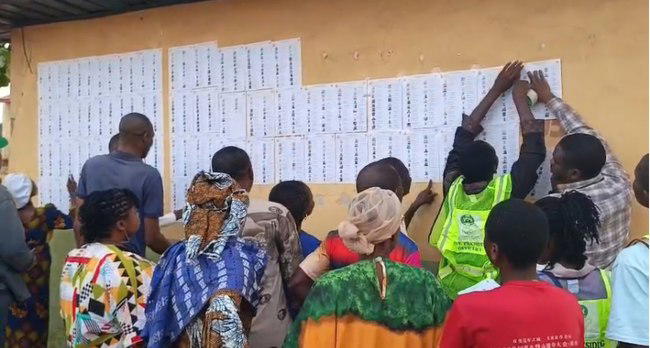
The Ekiti governorship election has been marred by serious allegations of vote-buying, a situation that raises questions about the integrity of Nigeria's electoral process. Bejide, a prominent opposition figure, accused members of the ruling All Progressives Congress (APC) of distributing cash to sway voters, undermining democratic principles. Such practices are not new in Nigeria, where electoral malpractices have historically tainted elections.
Despite the allegations, the APC remains steadfast, insisting that their campaign strategies are legitimate. "We are confident that our policies will resonate with the electorate without resorting to unethical practices," stated APC spokesperson Adeola Ige. This claim contrasts sharply with the growing concerns from civic organizations and observers who have called for a thorough investigation into the alleged vote-buying activities.
As the dust settles on this tumultuous election, the implications for future governance in Ekiti and Nigeria at large are significant. The ongoing scrutiny may lead to reforms aimed at enhancing electoral integrity, but it remains uncertain whether the political will exists to enact meaningful change. The situation underscores the urgent need for greater accountability in Nigeria's democratic processes.

