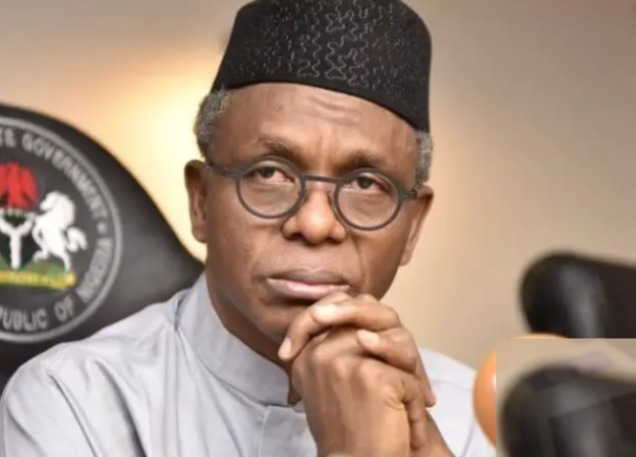
The rejection of automatic tickets for Peter Obi and Rabiu Kwankwaso by the Peoples Redemption Party (PRP) underscores a significant shift in political strategy within Nigeria's fragmented party landscape. National Chairman Hakeem Baba-Ahmed articulated the party's commitment to democratic principles, stating, "We believe that every candidate should earn their place through hard work, not entitlement." This refusal highlights the PRP's intention to foster a meritocratic system, prioritizing grassroots support over established names.
Historically, both Obi and Kwankwaso have been prominent figures in Nigerian politics, with substantial followings. Their requests for automatic nominations reflect a broader trend among established politicians seeking to secure their positions amid increasing competition. However, the PRP's decision signals a potential reorientation toward dynamic leadership that resonates more closely with the electorate's evolving expectations.
Looking ahead, the PRP's stance could inspire similar movements in other parties, as the need for accountability and transparency in ticket allocation becomes more pronounced. As Nigeria approaches critical elections, this development may reshape alliances and challenge traditional political norms, potentially leading to a more engaged and responsive political environment.