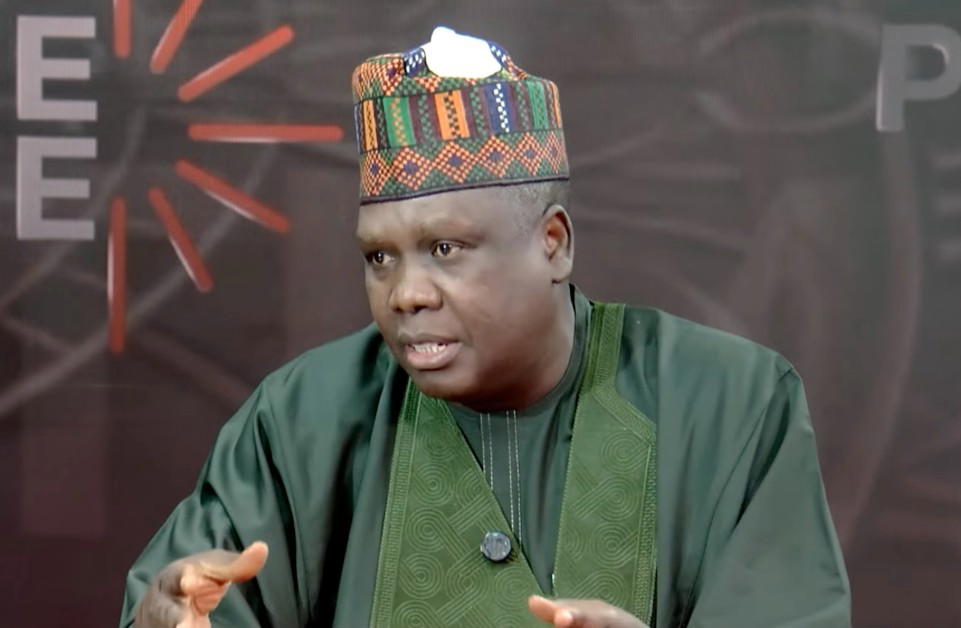
Nigerians are grappling with the slow pace of economic reforms under President Bola Tinubu, as highlighted by political analyst Bwala. He argues that the sheer scale of Nigeria's population complicates the immediate impact of these reforms, stating, "The benefits will take time to be felt by citizens, and patience is essential."
Tinubu's administration has introduced various measures aimed at stabilizing the economy, including subsidy removals and fiscal adjustments. However, public sentiment remains largely skeptical, with many citizens struggling with rising living costs and unemployment. The gap between policy implementation and tangible benefits is widening, causing frustration among the populace who are eager for swift improvements in their living standards.
Looking ahead, the success of Tinubu’s reforms will hinge on the government’s ability to effectively communicate progress and manage public expectations. Without visible results, the administration risks losing credibility and public support, which could hinder long-term economic stability. As Nigeria navigates these challenges, the focus will need to shift towards ensuring that reforms translate into immediate, relatable benefits for everyday citizens.