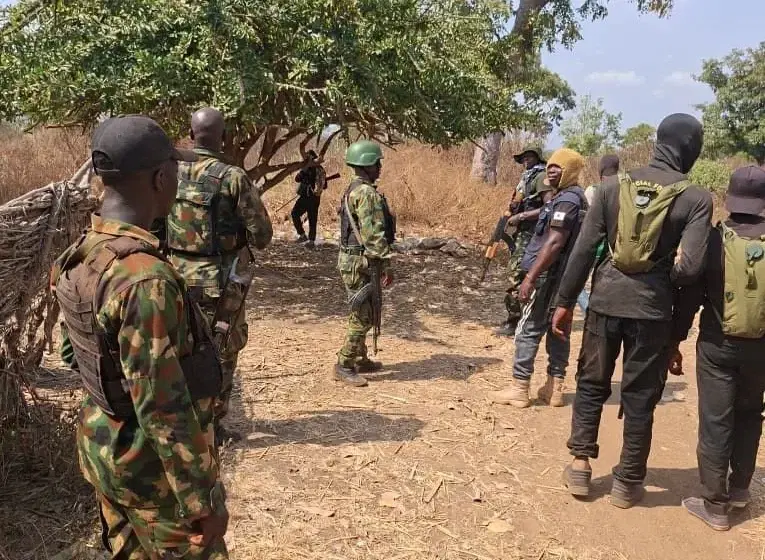
Nigeria's struggle with effective policing underscores an urgent need for state-level law enforcement. For years, the country has relied on a centralized policing system that inadequately addresses local security challenges. Law enforcement officers, often unfamiliar with the unique cultural contexts of the communities they serve, result in ineffective crime prevention and response.
Recent calls for state police have gained momentum, especially as insecurity intensifies across various regions. Stakeholders argue that localized policing would empower communities to take ownership of their safety. "State police will not only enhance accountability but also ensure that officers understand the specific dynamics of their jurisdictions," says Ibrahim Mohammed, a security analyst. This shift could improve trust and cooperation between law enforcement and the communities they serve.
As Nigeria grapples with rising crime rates and insurgencies, the necessity of state police becomes increasingly clear. With a decentralized approach, local governments would be better equipped to devise tailored strategies, fostering a more responsive and community-oriented security framework. In the long run, embracing state police may ultimately strengthen Nigeria's democratic institutions and enhance public safety.