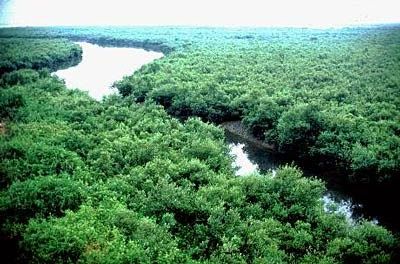
As global biodiversity declines at an alarming pace, Nigeria faces an urgent need to invest in the preservation of its mangroves. The United Nations reports a staggering loss of 420 million hectares of forest since 1990, with mangroves disappearing even faster at a rate of 35 percent. These vital ecosystems provide crucial services, including coastal protection, carbon sequestration, and habitats for diverse marine life.
The Nigerian coast is home to significant mangrove forests, which are under threat from urbanization, pollution, and climate change. Experts warn that neglecting these ecosystems could exacerbate flooding, coastal erosion, and loss of fisheries, impacting millions of livelihoods. "Investing in mangrove restoration is not just an environmental imperative; it's a pathway to sustainable development," asserts Dr. Amina Bello, a leading environmental scientist.
Looking ahead, proactive measures to restore and protect mangroves could bolster Nigeria's resilience against climate change while fostering economic opportunities through sustainable fisheries and ecotourism. As the nation grapples with environmental challenges, prioritizing mangrove conservation is essential for a sustainable and secure future.
