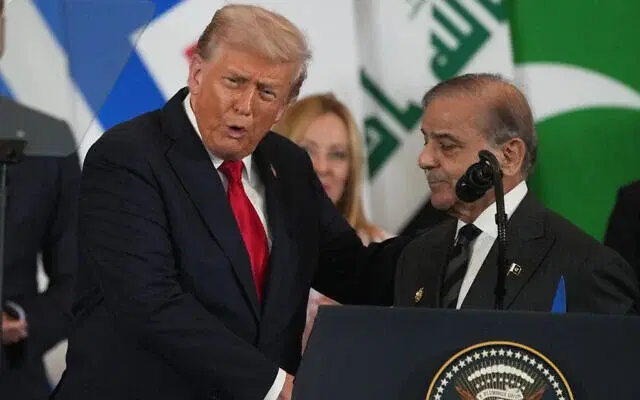
In a surprising twist in Middle Eastern diplomacy, Pakistan has emerged as a key player in the ongoing US-Iran peace negotiations. This shift is largely attributed to the personal relationships cultivated by Pakistan's army chief, General Asim Munir, who has engaged extensively with Iranian Revolutionary Guards commanders. His military background and strategic ties have positioned Islamabad as a credible mediator in a complex geopolitical landscape.
Recent developments indicate that both the US and Iran view Pakistan's involvement as a means to facilitate dialogue and de-escalate tensions. "Pakistan's unique relationships and military insights make it an invaluable partner in fostering peace in the region," stated a senior Pakistani official. This endorsement highlights the strategic importance of Pakistan as it seeks to bolster its influence while contributing to regional stability.
As these negotiations unfold, the implications for security dynamics in South Asia and the Middle East are significant. If successful, Pakistan's role could redefine its diplomatic stature and foster a new era of collaboration among historically adversarial nations. The path ahead remains fraught with challenges, but the potential for lasting peace could reshape alliances in ways previously unimagined.