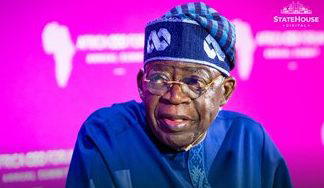
Desmond Elliott’s announcement to contest for a fourth term in office has sparked a renewed debate about political longevity in Nigeria. First elected in 2015, Elliott has successfully retained his seat under the All Progressives Congress (APC) in two subsequent elections, 2019 and 2023. His decision to seek another term suggests confidence in his support base, despite growing concerns over the effectiveness of long-serving politicians.
Elliott's tenure has not been without controversy, as critics argue that incumbents often prioritize personal gains over constituents' needs. He defended his candidacy, stating, “I believe in continuity and the progress we’ve made. More can still be accomplished.” This reflects a common sentiment among seasoned politicians who argue that experience is essential for governance.
As the 2026 election cycle approaches, Elliott’s campaign will likely focus on his record and future initiatives to address pressing issues, including youth unemployment and infrastructure development. Voter sentiment, however, may shift as younger candidates emerge, challenging the status quo. The dynamic landscape of Nigerian politics will be essential to watch as the elections draw near.