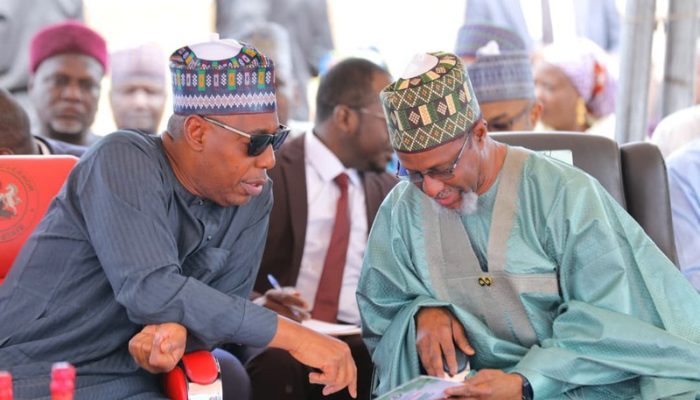
The ongoing crisis surrounding Lake Chad has escalated into a pressing humanitarian disaster, drawing urgent attention from climate advocates. As the lake shrinks, millions face displacement, food insecurity, and loss of livelihoods, making the situation dire for communities reliant on its resources. In this context, the leadership of Borno State Governor Babagana Zulum has emerged as a beacon of hope for climate change campaigners.
Zulum has taken significant strides in addressing the multifaceted challenges posed by the lake's deterioration. His proactive measures include implementing sustainable agricultural practices and investing in water resource management. "Governor Zulum exemplifies the kind of leadership needed to combat climate change; he not only acknowledges the crisis but actively seeks solutions," stated Minister of Environment Muhammad Abubakar during a recent press conference.
As the country prepares for upcoming elections, Zulum's commitment to environmental issues may shape voter sentiments, highlighting the necessity of climate action in political agendas. With Lake Chad's future hanging in the balance, the governor's approach could serve as a model for other leaders facing similar environmental challenges, emphasizing that responsive governance is key to reversing climate impacts.