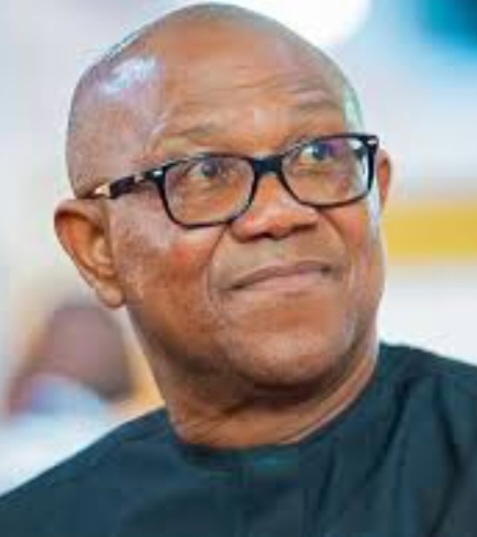
Since Nigeria's return to democracy in 1999, a noticeable trend has emerged: former governors of Lagos State rarely seek Senate positions. This phenomenon raises questions about the political landscape and ambitions of these influential figures. Unlike their counterparts in other states, Lagos governors often transition into significant roles in business or serve in various capacities within the political sphere, preferring to maintain autonomy rather than pursue legislative seats.
In an interview, political analyst Dr. Adebayo Olaniyan remarked, "Lagos governors possess a unique blend of influence and resources, making them less inclined to chase Senate seats that may limit their power." This reflects a broader strategy where former governors leverage their executive experience to shape policies outside the constraints of legislative office.
As Nigeria approaches its next electoral cycle, the implications of this trend are profound. The absence of ex-governors in the Senate could lead to a power vacuum, potentially reshaping party dynamics and legislative priorities. Observers will be keen to see if this pattern persists or if emerging political pressures will prompt a shift in ambitions among future Lagos governors.