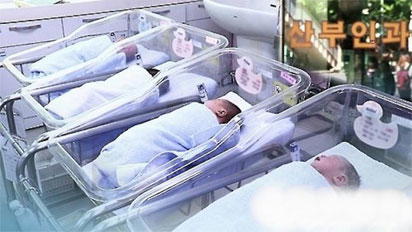
The World Health Organisation's recent warning regarding the rising incidence of birth defects underscores a critical public health challenge that demands immediate attention. On June 23, 2026, WHO Director-General Tedros Adhanom Ghebreyesus emphasized the importance of enhancing newborn screening programs, stating, "Early diagnosis can save lives and prevent lifelong disability."
This call to action comes amid alarming statistics indicating that 1 in 33 infants worldwide is born with a birth defect, leading to significant healthcare burdens and emotional tolls on families. Currently, many low- and middle-income countries lack adequate screening processes, which hampers early intervention. Expanding these programs is not only a matter of improving health outcomes but also a crucial step towards achieving the Sustainable Development Goals.
The WHO's initiative highlights the need for global collaboration and investment in healthcare infrastructure. As nations respond to this urgent appeal, the focus must shift toward implementing effective screening strategies and ensuring access to necessary medical resources. Ultimately, addressing birth defects through early detection is vital for fostering healthier futures for millions of children worldwide.