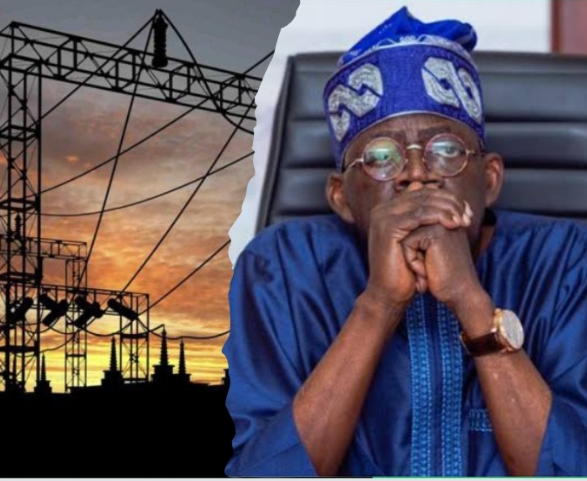
Nigeria's persistent power outages have sparked frustration, leading citizens to lash out at electricity distribution companies like EEDC and IKEDC. However, the blame game often overshadows systemic issues plaguing the nation’s power sector. Decades of inadequate infrastructure investment, regulatory challenges, and a reliance on outdated technology have created a fragile electricity supply chain.
Recent reports indicate that Nigeria loses over 30 percent of its generated electricity to inefficiencies and theft, exacerbating an already dire situation. "The real challenge lies in the entire ecosystem that supports power distribution, not just the companies on the ground," says Dr. Amina Bello, an energy policy expert. This underscores the need for a comprehensive overhaul of the power sector, which requires coordination between government, regulatory bodies, and private stakeholders.
As Nigeria seeks to enhance its energy capacity, the focus must shift from merely assigning blame to implementing strategic reforms that address the root causes of darkness. Investing in renewable energy and modernizing infrastructure could illuminate a path toward reliable power supply, fostering economic growth and improving living standards for millions.
