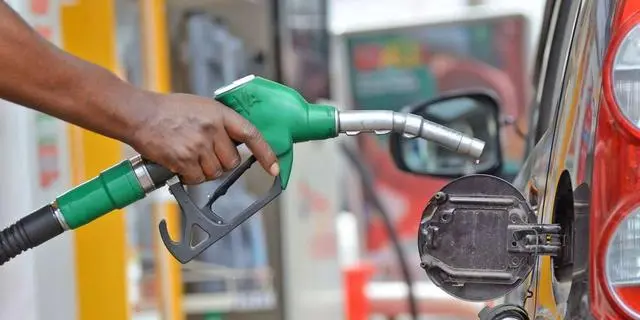
The end of Nigeria's fuel subsidy regime in May 2023 marked a pivotal moment for the Tinubu administration, promising substantial savings to be redirected into critical sectors. Initially, the government estimated potential savings in the trillions of naira, which raised hopes for improvements in healthcare, education, and infrastructure. However, as the months have progressed, many Nigerians remain skeptical about the tangible benefits of this policy shift.
Key developments have revealed a disparity between projected savings and actual investments in public services. Critics argue that the anticipated financial windfall has not materialized in meaningful ways. “We are yet to see any significant impact on our schools and hospitals,” lamented Amina Bello, an education advocate. The continued struggle with inflation and rising living costs further complicates the picture, eroding public trust in the government's commitment.
Looking ahead, the Tinubu administration must prioritize transparency and accountability in how these savings are utilized. Without clear communication and demonstrable outcomes, the promise of a brighter future may fade, leaving citizens disillusioned and questioning the efficacy of economic reforms.
