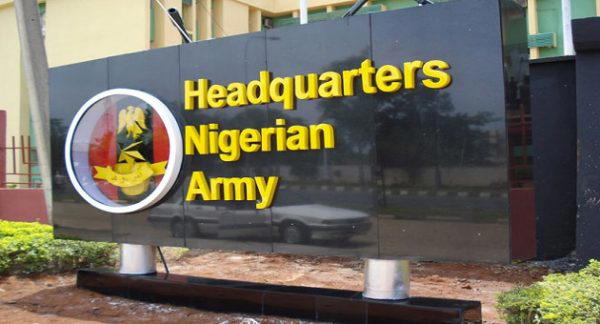
The upcoming court martial in Nigeria, set to begin this Friday, marks a significant moment in the country's ongoing struggle with political instability following a foiled coup plot in 2025. The case, which involves several military personnel accused of conspiring to overthrow the government, has drawn widespread attention as it underscores the fragility of Nigeria's democratic institutions.
The judges assigned to the court martial were sworn in two weeks ago, signaling a commitment to address the allegations head-on. This development comes amid heightened tensions and public scrutiny regarding the military's role in politics. Defense Minister Mohammed B. Adamu stated, "We must ensure accountability and restore public trust in our armed forces." This sentiment reflects a broader concern about how military actions can undermine civilian governance.
As the court martial proceedings unfold, they will not only seek justice for the alleged conspirators but also serve as a litmus test for Nigeria's democratic resilience. The outcome may have lasting implications for military-civil relations and the political landscape moving forward, potentially shaping the narrative as the nation approaches the next general elections.