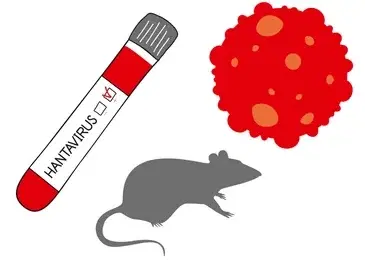
A recent outbreak of hantavirus aboard a cruise ship in the southern Atlantic has raised alarm, resulting in multiple fatalities and highlighting the disease's potential severity. Hantavirus, primarily transmitted through exposure to infected rodents, can lead to serious respiratory illness in humans, underscoring the risks associated with wildlife interactions in confined environments.
Key developments include the cruise ship's immediate quarantine and the deployment of health officials to investigate the source of the outbreak. While hantavirus is relatively rare, its symptoms can escalate quickly, prompting urgent public health responses. Dr. Sarah Thompson, a leading epidemiologist, noted, "This outbreak serves as a critical reminder of the importance of monitoring zoonotic diseases, especially in settings where people are in close proximity to wildlife."
Moving forward, health authorities are expected to enhance surveillance and education efforts to prevent further outbreaks, emphasizing the need for improved rodent control measures in both tourism and urban settings. As the situation unfolds, the global community must remain vigilant, recognizing the interconnectedness of human health and environmental factors.