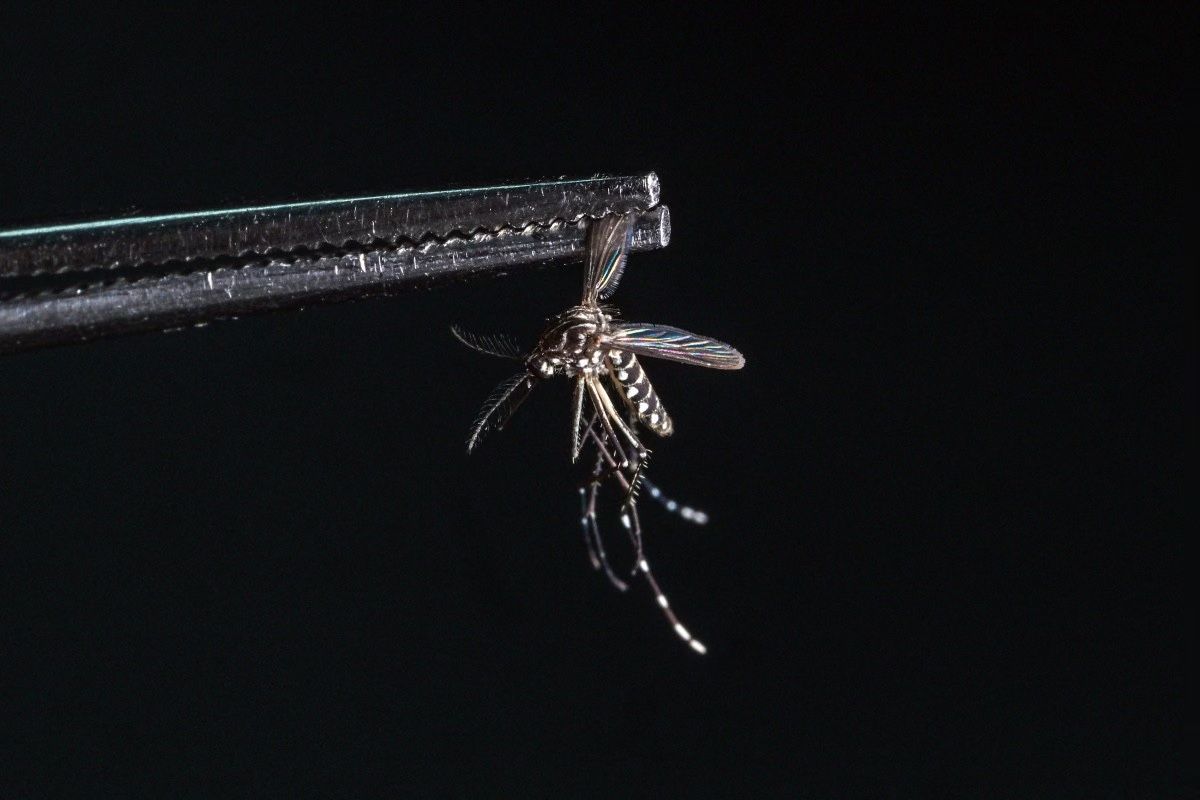
As climate change accelerates, the idea of eradicating mosquitoes has gained traction, raising critical health concerns. Mosquitoes, known carriers of diseases like malaria and dengue, are expanding their habitats in response to longer, warmer summers. This shift poses a significant threat to public health, particularly in regions previously unaffected by these pests.
Experts caution against the impulsive elimination of mosquitoes, as they play a complex role in ecosystems. Dr. Sarah Mendez, an entomologist at the African Institute of Public Health, stated, "While mosquitoes are vectors for deadly diseases, they also support various food chains. A sudden eradication could lead to unintended ecological consequences." As mosquitoes migrate to new areas, the risk of disease outbreaks increases, necessitating a reevaluation of current vector control strategies.
The push for innovative solutions, including targeted gene-editing technologies, is essential. Future efforts must balance the ecological role of mosquitoes with the urgent need to control disease transmission. As climate patterns continue to shift, understanding and managing the delicate interplay between health and ecosystems will be crucial for safeguarding public health across Africa.