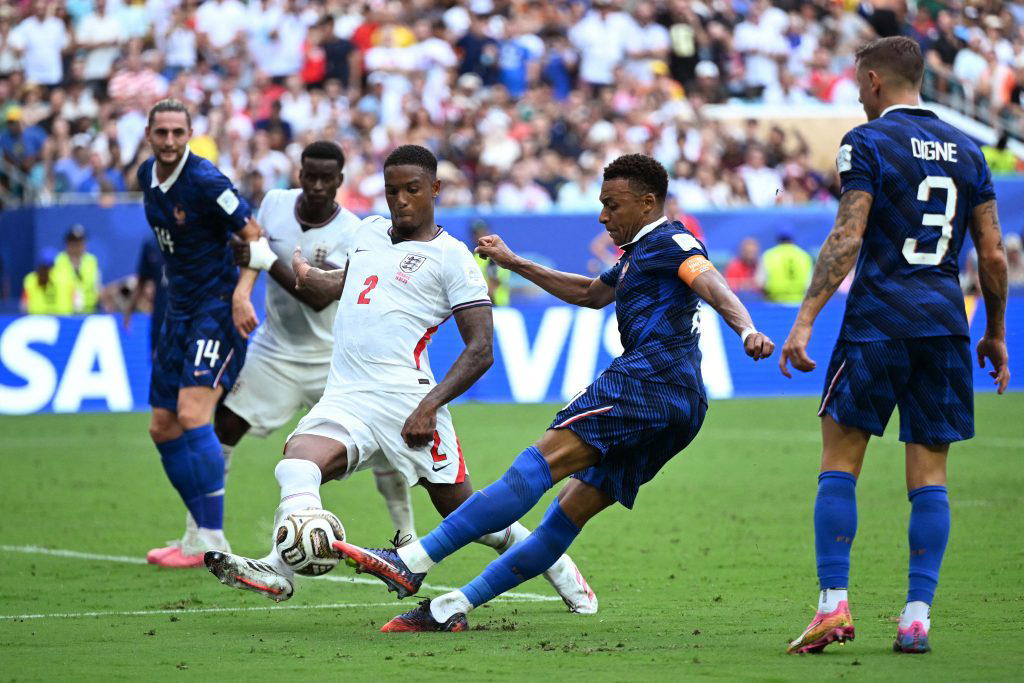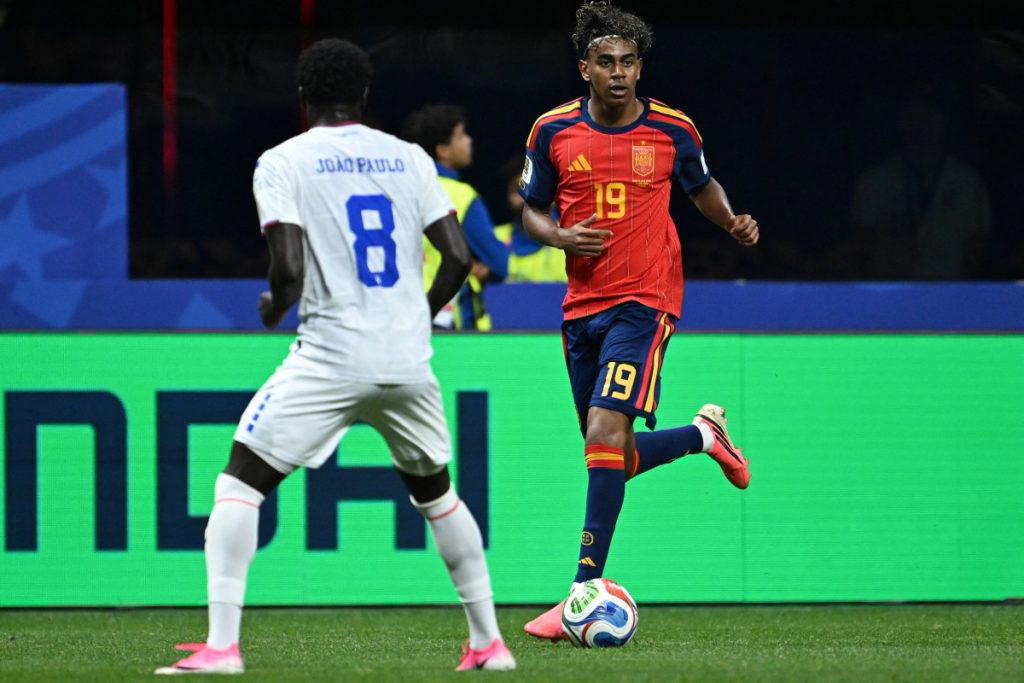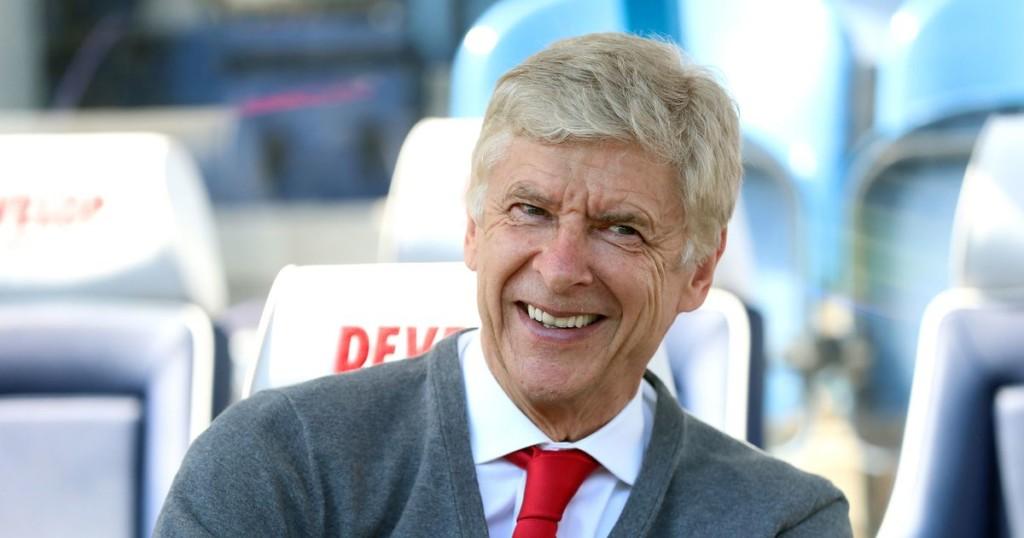
The introduction of hydration breaks during the 2026 World Cup has sparked a lively debate among players, coaches, and fans alike. Arsène Wenger, FIFA's Chief of Global Football Development, acknowledged the mixed reactions to these breaks, which were designed to combat the intense heat experienced in host countries. "I accept that the hydration breaks are not universally popular," Wenger stated, indicating that the organization will consider feedback before deciding on future implementations.
Hydration breaks were first introduced to prioritize player health and performance during extreme weather conditions, but opinions vary on their effectiveness and impact on game flow. Critics argue that these interruptions disrupt the rhythm of matches, while supporters highlight their necessity for player welfare. The tournament has highlighted the ongoing challenge of balancing sportsmanship with athlete safety in high-stakes environments.
As FIFA prepares to evaluate the use of hydration breaks, the outcome could set a precedent for future tournaments. The decision will likely influence how international football adapts to evolving climate conditions, emphasizing the need for innovative solutions to ensure player welfare while preserving the integrity of the game.