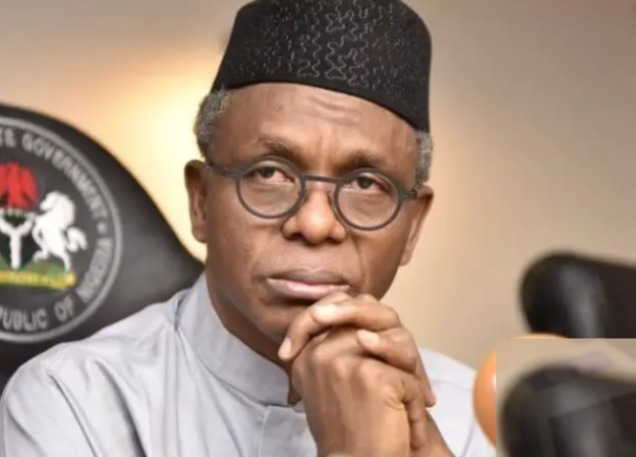
In a stark reminder of political disillusionment, Rabiu Kwankwaso, a prominent figure in Nigerian politics, has expressed deep dissatisfaction over the lack of rewards his supporters received after helping Muhammadu Buhari secure the presidency in 2015. Kwankwaso’s statement underscores the frayed alliances and unmet expectations that have characterized Nigerian political dynamics.
With nearly two million votes cast in Buhari's favor, Kwankwaso's supporters anticipated tangible benefits, yet he claims they have seen none. This sentiment of betrayal is not isolated; it resonates with many who feel marginalized within the current political landscape. "We got nothing for helping Buhari win in 2015," Kwankwaso stated, reflecting a broader frustration among former allies.
As the 2023 elections approach, Kwankwaso’s remarks may signal shifting allegiances and a potential realignment of political forces in Nigeria. His candidacy could galvanize disenfranchised voters seeking new representation, suggesting that past grievances may reshape the political arena. The implications of such sentiments could reverberate through upcoming electoral contests, challenging established parties to address the discontent of voters.