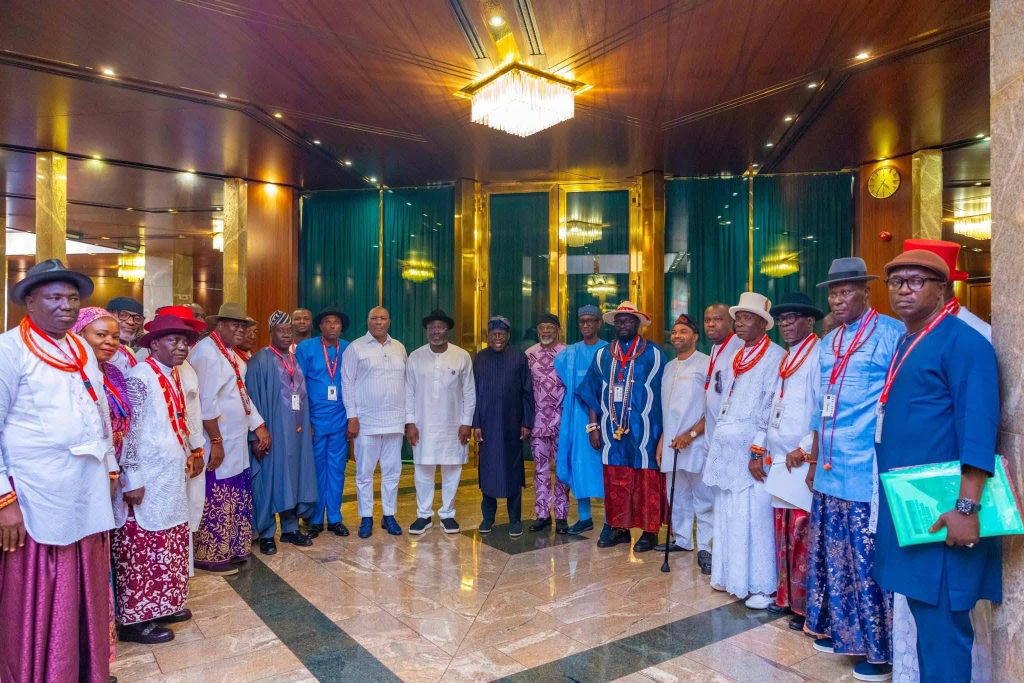
The recent agreement between the Ijaw and Itsekiri ethnic groups in Delta State marks a significant step towards political stability in the Warri Federal Constituency II. This development follows President Bola Tinubu’s intervention, aimed at resolving a protracted dispute over representation in the constituency, which has been a flashpoint for ethnic tensions.
The power-sharing arrangement delineates a framework for rotating leadership positions, thereby ensuring that both groups have a stake in governance. This compromise comes after years of contention that have hindered effective representation and development in the region. "This agreement is a testament to our commitment to peace and progress," stated Chief Richard Mofe-Damijo, a prominent Itsekiri leader.
Moving forward, this collaborative spirit could serve as a model for addressing similar ethnic conflicts across Nigeria. If implemented effectively, the power-sharing agreement may not only enhance political inclusivity in Warri but also foster greater economic collaboration, ultimately benefiting the broader community. The success of this initiative will depend on the goodwill of both parties and their ability to adhere to the agreed terms amidst the complexities of local politics.