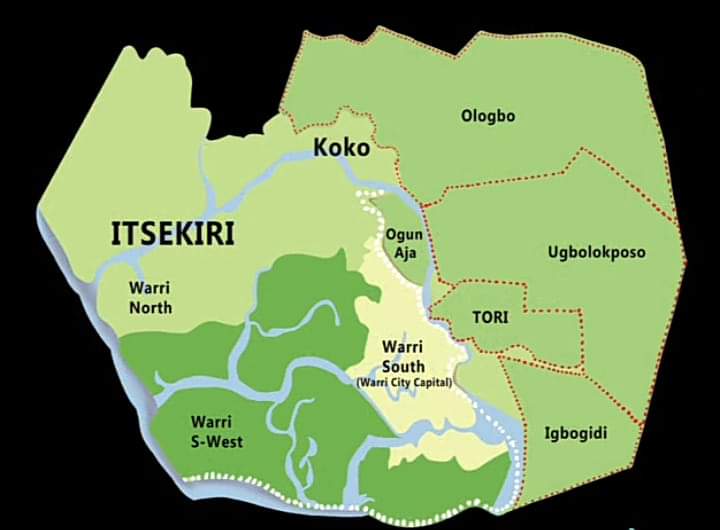
The ongoing conflict over the Warri delineation has intensified as the Itsekiri ethnic group rebuts claims from Ijaw and Urhobo factions regarding President Bola Tinubu's recent intervention. The Itsekiri argue that their counterparts have distorted the president's intentions, which aimed to mediate the long-standing electoral disputes in the region. This situation reflects broader ethnic tensions as communities vie for recognition and resources.
The Itsekiri National Youths Council expressed concern over the misinterpretations, emphasizing that “the president’s intervention was meant to foster dialogue, not deepen divisions.” This highlights the fragile nature of inter-ethnic relations in Delta State, where historical grievances complicate efforts for unity.
As political actors navigate the complexities of this dispute, the potential for escalation remains. Stakeholders must prioritize constructive dialogue to prevent further polarization. The resolution of these conflicts is not only crucial for electoral integrity but also for regional stability. Moving forward, the effectiveness of Tinubu's intervention will largely depend on the willingness of all parties to engage in meaningful discussions, paving the way for a more inclusive governance structure.