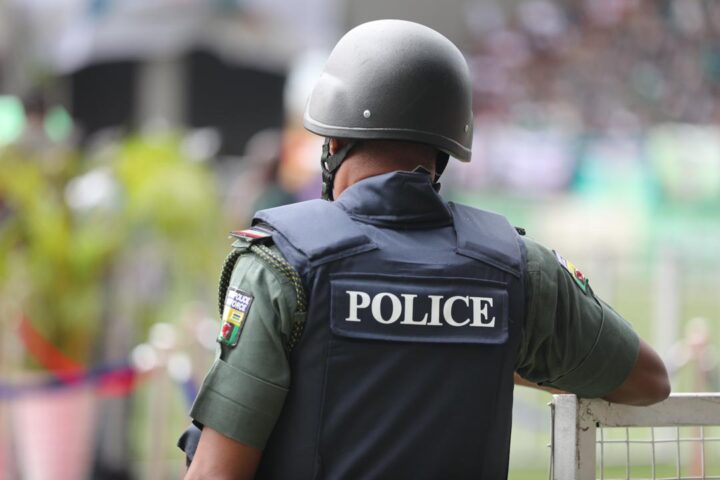
The recent death of a Jigawa politician in a kidnapper's den highlights the escalating violence and insecurity plaguing Nigeria. This tragic event has intensified public concern over the government’s inability to tackle rising crime rates, particularly in politically sensitive regions. The situation escalated when a doctor in Ibadan, accused of negligence related to the politician's death, was nearly lynched by an angry mob. This incident underscores the fragile trust between healthcare professionals and the communities they serve.
The Economic and Financial Crimes Commission (EFCC) has also made its presence felt by visiting the University of Uyo Teaching Hospital, ostensibly to probe alleged corruption linked to medical practices. Dr. Abiola Adebayo, a local health advocate, stated, "The health sector is under siege—not just from criminals but also from systemic corruption that undermines patient care."
As Nigeria grapples with these intertwined crises, the call for comprehensive reforms in both security and healthcare becomes increasingly urgent. The government must act decisively to restore public confidence and ensure the safety of both citizens and professionals in the face of mounting challenges.