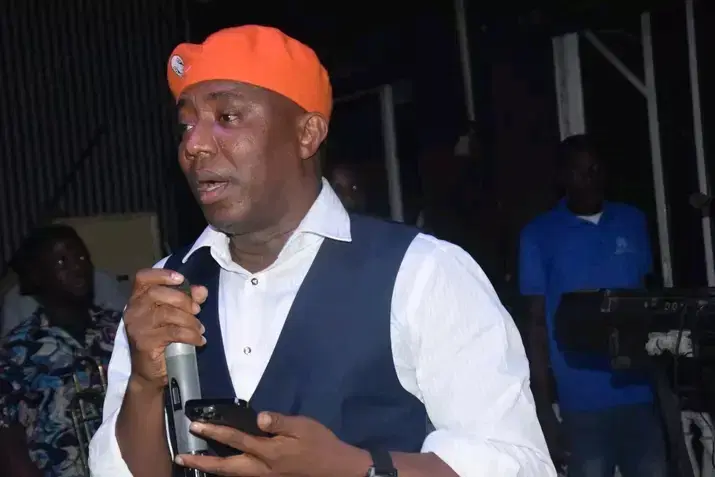
The recent collapse of activist Omoyele Sowore during a protest in Abuja highlights the escalating tensions between citizens and security forces in Nigeria. Witnesses reported that Sowore fainted after police used tear gas to disperse demonstrators opposing rampant insecurity, economic challenges, and perceived governmental failures. This incident underscores the growing frustrations among Nigerians who feel increasingly marginalized.
Sowore, who has been a vocal critic of the government, has become a symbol of resistance against what many see as systemic issues plaguing the nation. “We will not be silenced by intimidation or violence,” stated Femi Falana, a prominent human rights lawyer and Sowore’s supporter, emphasizing the resolve of the protesters. The use of force against peaceful demonstrations raises serious concerns about the state of democracy and civil liberties in Nigeria.
As public discontent simmers, the government's response to dissent will likely shape future protests and political discourse. The implications of this incident extend beyond Abuja, signaling a critical moment for civic engagement and government accountability in Nigeria as citizens demand meaningful change.