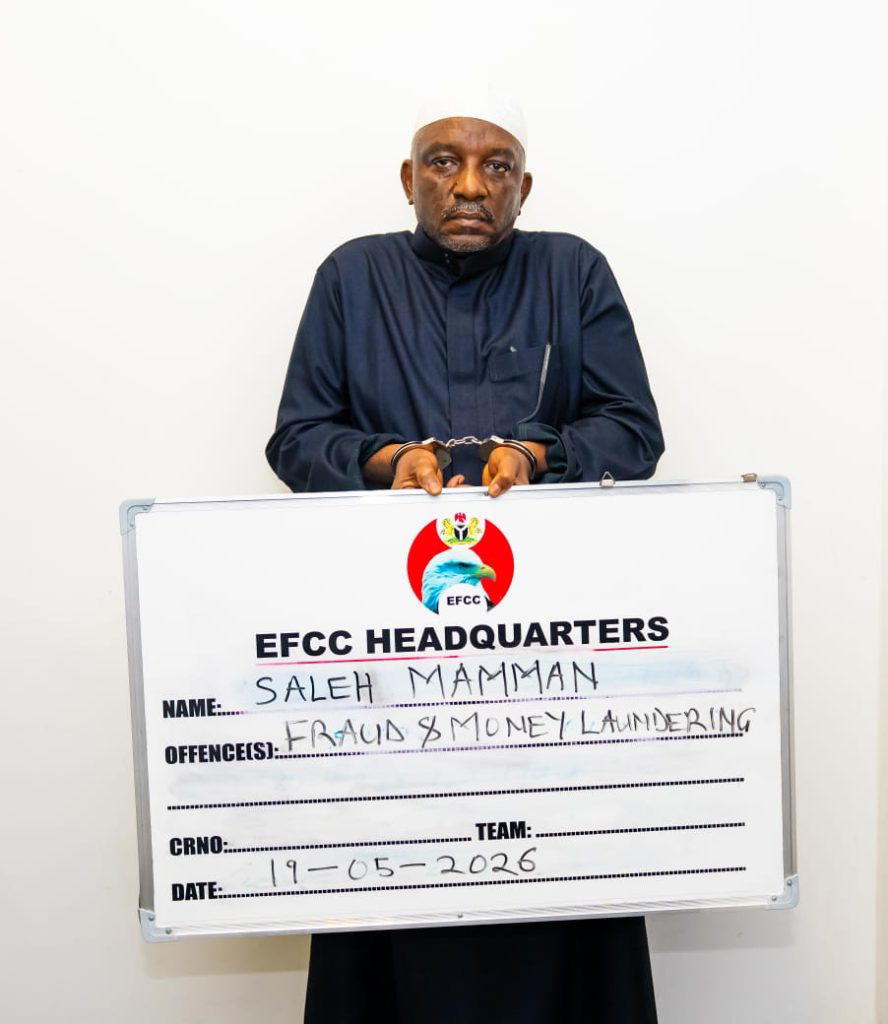
The recent arrest of former Minister Saleh Mamman by the Economic and Financial Crimes Commission (EFCC) marks a significant moment in Nigeria's ongoing battle against corruption. Mamman, already convicted for his role in a staggering N33 billion fraud, was apprehended in Kaduna early on May 19, 2026. This development underscores the EFCC's commitment to holding high-profile figures accountable for financial crimes, a promise reiterated by the agency's leadership.
EFCC Chairman Abdulrasheed Bawa stated, "We are determined to ensure that there is no safe haven for corrupt individuals in Nigeria." This resolve reflects the broader political climate as the nation grapples with public disillusionment over corruption and governance. The arrest of Mamman, who formerly held a prominent cabinet position, signals that even those in the highest echelons of power are not immune to the law.
Looking ahead, the implications of this arrest extend beyond individual accountability; it may influence public trust in governmental institutions. As the EFCC continues its efforts, the sustained scrutiny on corruption could foster a more transparent political environment, benefiting Nigeria's democratic processes.
