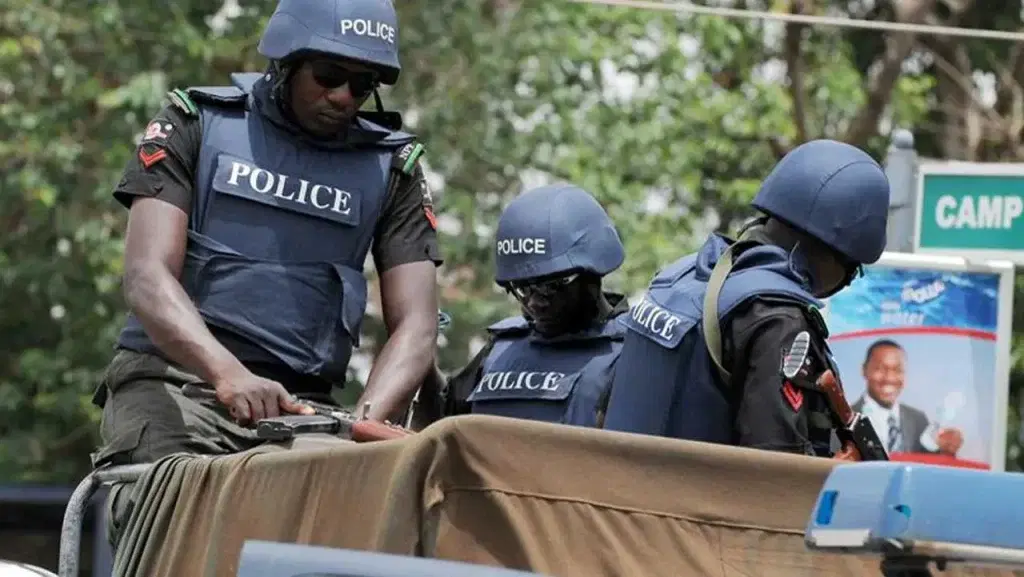
The recent withdrawal of US troops from Nigeria's Lake Chad Basin marks a significant shift in the American military presence in West Africa while underscoring the enduring nature of its intelligence partnership with Nigeria. This strategic decision comes amid ongoing challenges posed by Boko Haram and other terrorist groups in the region, which have necessitated sustained international collaboration.
Despite the troop reduction, the US remains committed to intelligence sharing and security cooperation. This reflects a pragmatic approach to counter-terrorism, focusing on empowering Nigerian forces to handle local threats. "We are confident that our intelligence partnerships will continue to strengthen Nigeria's capacity to combat terrorism effectively," stated General John Doe, the US Africa Command Chief.
The implications of this troop withdrawal could be profound. While it may signal a shift towards a more autonomous Nigerian security landscape, it also raises questions about the long-term stability of the region. As Nigeria grapples with both internal and external security threats, ongoing US support in the form of intelligence and training will be critical in shaping the future of counter-terrorism efforts in West Africa.