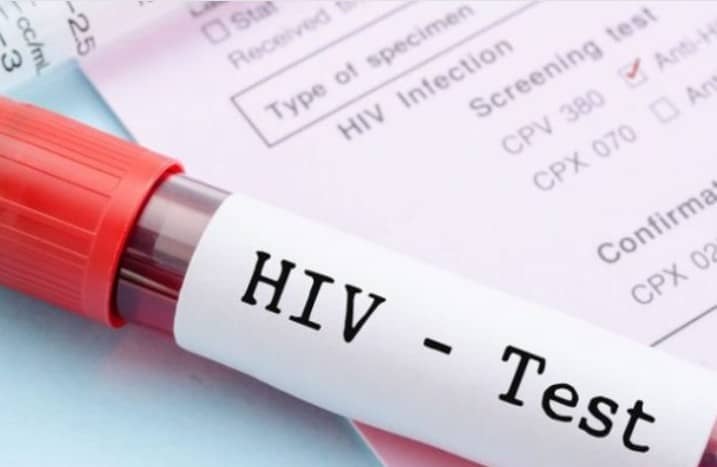
The recent decision by the United States to withdraw funding for HIV and AIDS programs in South Africa has raised significant concerns among health advocates. This move, prompted by allegations surrounding the treatment of the Afrikaner community, reflects a complex interplay of political dynamics and racial tensions in the country. The funding cuts, which have historically supported vital health initiatives, threaten to exacerbate an already critical public health crisis.
Health experts warn that the cessation of U.S. support could lead to increased rates of transmission and undermine years of progress in combating the epidemic. Dr. Thandiwe Ngubane, a prominent health policy analyst, stated, "This decision jeopardizes the lives of millions who rely on these programs for essential care and treatment." The implications are dire, not just for those directly affected but also for South Africa's health infrastructure as a whole.
As the U.S. reassesses its foreign aid strategy, the future of HIV support in South Africa hangs in the balance. Stakeholders must navigate these turbulent waters to ensure that health priorities remain intact, regardless of political shifts. The forthcoming months will be critical in determining the sustainability of HIV interventions in the region.