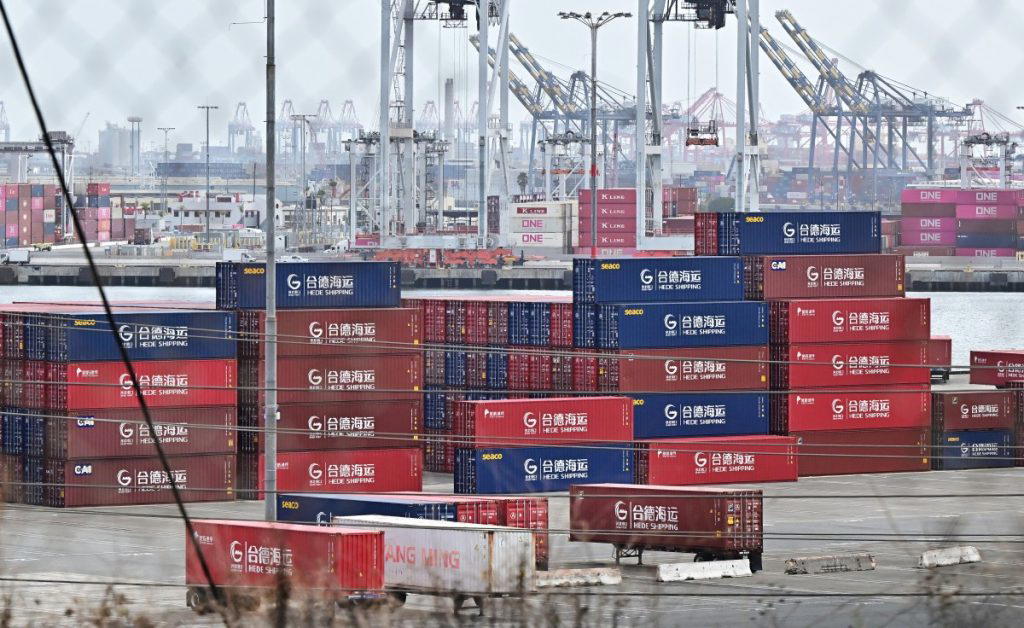
In a significant blow to President Donald Trump’s trade policies, a US trade court has ruled against his administration's global 10% tariff, a decision that follows the Supreme Court's previous invalidation of several tariffs imposed under his leadership. This ruling underscores the legal challenges facing Trump's trade agenda, which has been met with increasing scrutiny and opposition in recent years.
The tariffs were initially justified as a means to protect American industries and jobs, but critics argue they disproportionately burden consumers and disrupt international trade relationships. “The court's decision reinforces the principle that tariffs must be legally justified and transparent,” stated Robert Lighthizer, former US Trade Representative. This sentiment reflects growing concerns over the economic fallout from such unilateral trade measures.
Looking ahead, this ruling may signal a shift in US trade policy, potentially paving the way for more cooperative international trade agreements. As the Biden administration seeks to rebuild relationships with allies and address global supply chain issues, the elimination of these tariffs could foster a more stable economic environment both domestically and internationally.