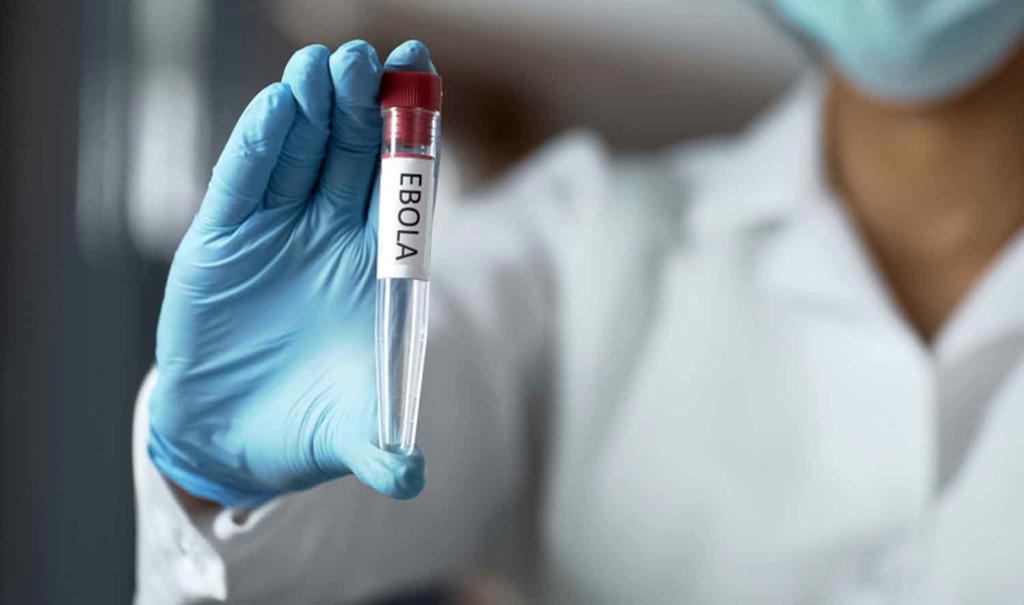
The U.S. government is ramping up its response to a new Ebola outbreak as health officials confirm one American has contracted the virus, prompting immediate action at airports. Screening procedures for travelers arriving from affected regions are now in place, alongside a suspension of visa services to mitigate the risk of further infections.
Ebola, a deadly virus that has historically ravaged parts of Africa, poses a renewed threat as cases emerge in several countries. The Centers for Disease Control and Prevention (CDC) is collaborating with international health organizations to monitor the situation closely. Dr. Anthony Fauci, director of the National Institute of Allergy and Infectious Diseases, stated, "We must remain vigilant and proactive in our response to protect public health."
As the situation develops, the U.S. will need to balance public health measures with international travel and economic interests. This outbreak serves as a stark reminder of the importance of global health preparedness and the need for robust systems to swiftly address emerging infectious diseases. With the world still recovering from COVID-19, the ramifications of Ebola could further strain health resources and international relations.
