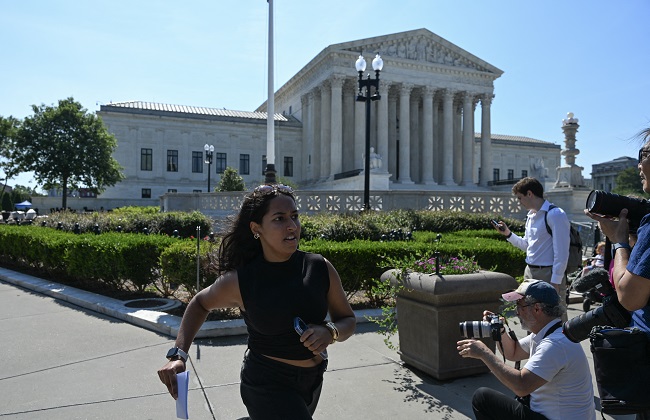
The U.S. Supreme Court's recent ruling endorsing state bans on transgender athletes marks a pivotal moment in the ongoing debate over gender identity and sports. This decision permits Idaho, West Virginia, and over two dozen Republican-led states to enforce policies requiring athletes to compete based on their sex assigned at birth, rather than their gender identity. Advocates for these measures argue they are essential for maintaining fairness in women's sports.
"Today's ruling is a victory for female athletes who deserve a level playing field," said Senator Kelly Ayotte (R-NH), a proponent of the legislation. Critics, however, view the ruling as a setback for transgender rights and inclusivity, claiming it further marginalizes an already vulnerable community and undermines the principle of equal participation.
The implications of this ruling extend beyond sports, stirring broader questions about civil rights and social equity. As more states adopt similar bans, the landscape of school athletics may continue to shift, raising concerns about the future of inclusivity in competitive environments. Stakeholders on all sides will likely escalate their efforts to shape public opinion and legislative responses in the months ahead.
