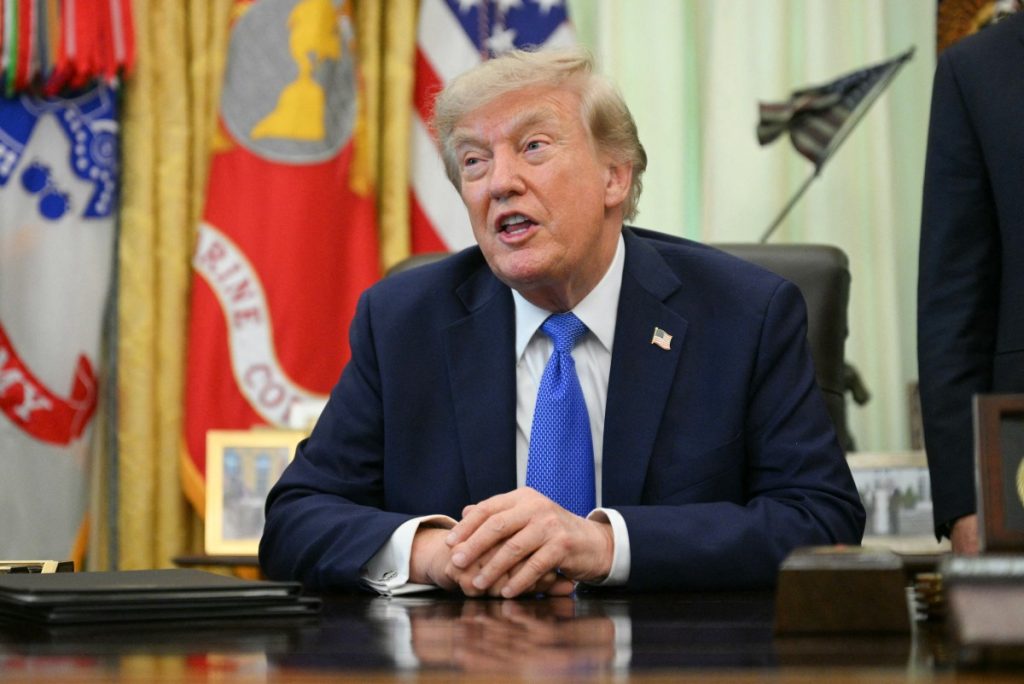
The US Supreme Court's rejection of former President Donald Trump's bid to limit birthright citizenship marks a significant moment in the ongoing debate over immigration policy. The decision underscores the enduring legal precedent established by the Fourteenth Amendment, which guarantees citizenship to anyone born on US soil.
This ruling follows years of contentious political discourse surrounding immigration, particularly during Trump's presidency, when he attempted to challenge established norms. Legal experts had predicted this outcome, emphasizing that the Constitution's language is clear. Justice Elena Kagan remarked, "The Constitution is not a suggestion; it is a mandate that ensures the rights of all born in this country."
As the nation moves forward, this ruling may influence future immigration debates and policies, particularly as various states explore their own measures in response to federal guidelines. The Supreme Court's decision reaffirms the principle of equality in citizenship, but it also leaves open questions about the broader implications for immigration reform and the political landscape heading into the next presidential election. The discourse surrounding immigration will likely intensify, as stakeholders reassess their positions in light of this landmark ruling.