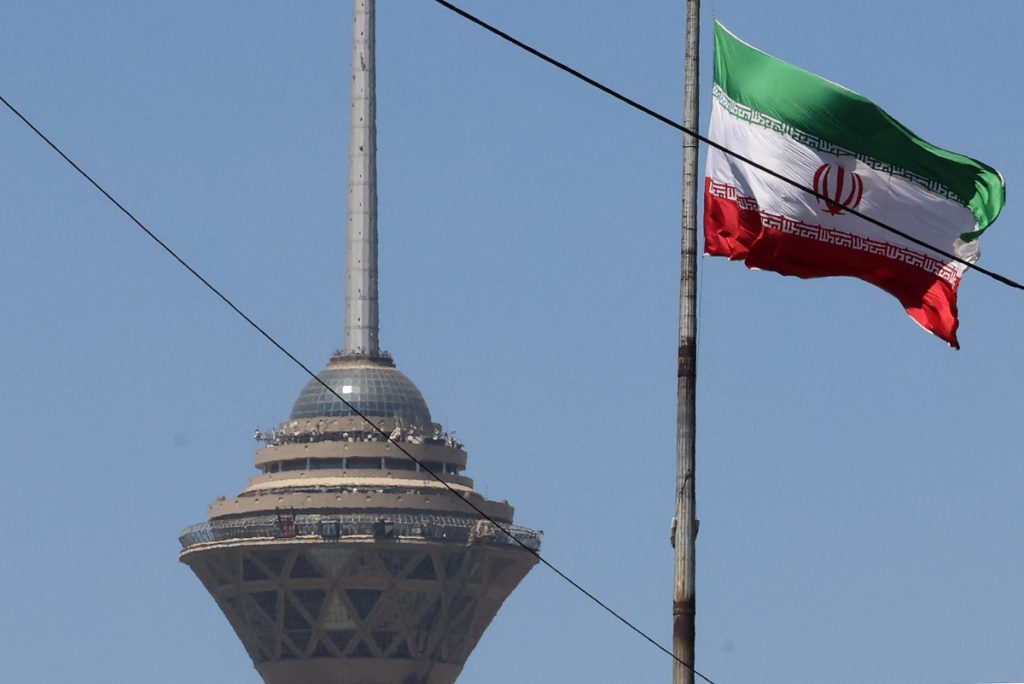
The recent U.S. airstrikes in southern Iran mark a significant escalation in tensions, breaking a tenuous ceasefire established in April. Following the strikes, Iran retaliated with an attack on a U.S. military base, signaling a breakdown of diplomatic efforts and a return to hostilities. This escalation comes amid ongoing concerns over Iran's nuclear activities and regional influence, complicating an already volatile situation in the Middle East.
U.S. officials assert that the strikes were necessary to protect American interests and personnel in the region. “We will not hesitate to act decisively against threats to our forces and allies,” stated John Smith, a Pentagon spokesperson. The retaliatory nature of Iran's response emphasizes the precariousness of the current ceasefire and the potential for further conflict.
Looking ahead, the situation presents a critical challenge for U.S. foreign policy, as continued military engagement risks drawing both nations deeper into conflict. Diplomatic channels may need urgent revitalization to avoid a broader regional war, but skepticism remains high on both sides. As tensions simmer, the international community watches closely, aware that each move could have far-reaching consequences.
