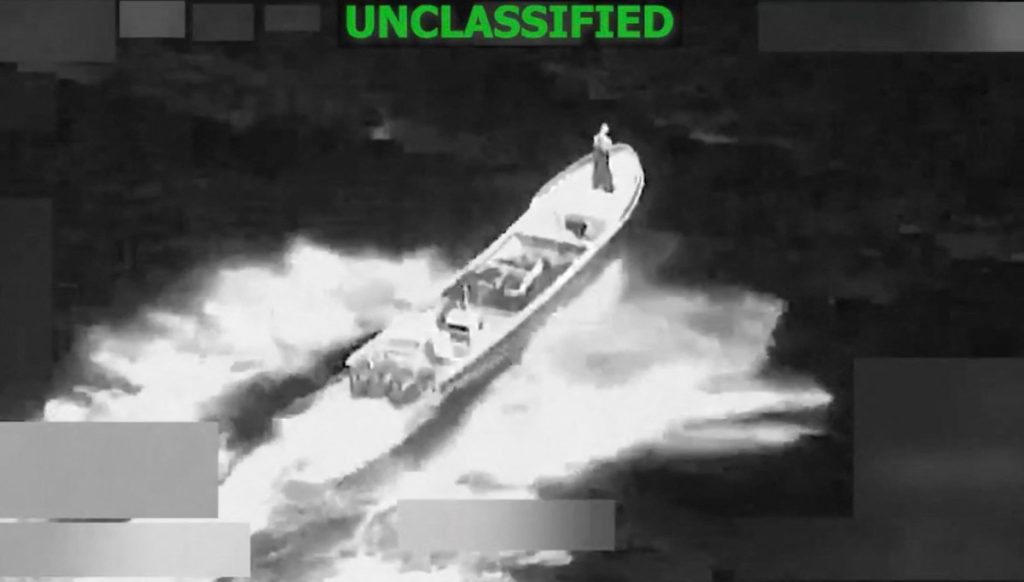
The recent U.S. strike on a suspected drug-smuggling boat in the eastern Pacific Ocean underscores the escalating tensions surrounding international drug trafficking. On June 19, 2026, three men aboard the vessel were killed, illuminating the persistent challenges faced by authorities in controlling the flow of narcotics across borders.
This operation reflects a broader strategy by the United States to combat drug trafficking networks that have increasingly exploited maritime routes. The strike is part of a heightened military presence in the region, aimed at deterring illicit activities that threaten both U.S. and regional security. "We will not tolerate threats to our national security from drug traffickers," stated Admiral John Smith, Commander of U.S. Naval Forces in the Pacific.
As the U.S. intensifies its military actions, the implications for diplomatic relations with affected nations could be significant. The operation may provoke retaliatory actions from criminal organizations, while also raising questions about the effectiveness and legality of such military interventions. Moving forward, the U.S. will need to balance aggressive tactics with diplomatic engagement to address the root causes of drug trafficking and ensure regional stability.