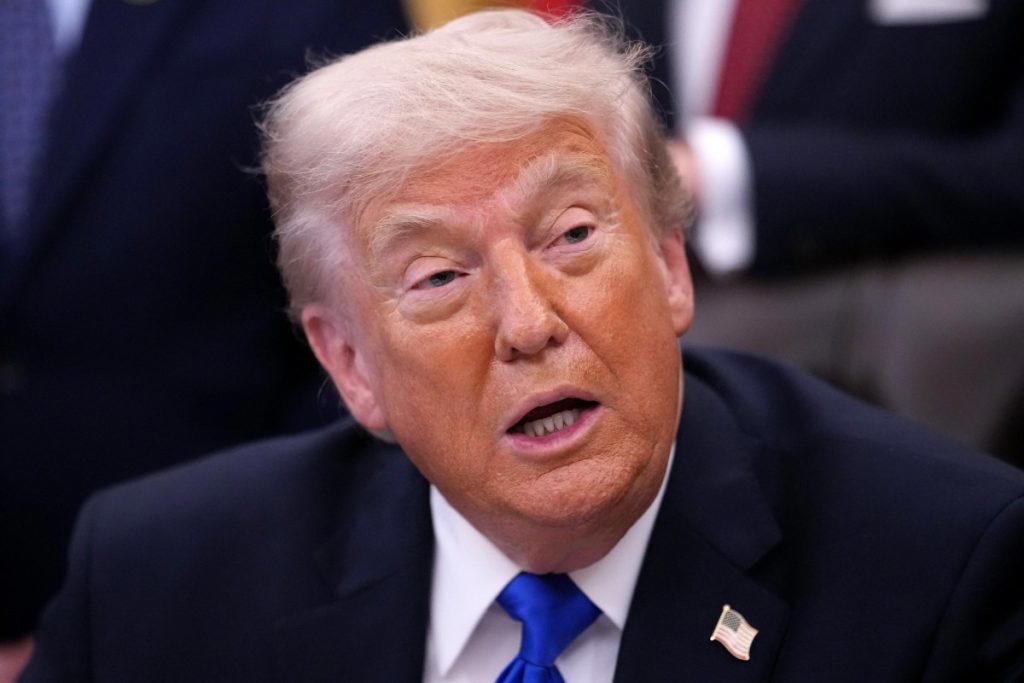
In a surprising shift, the US Senate has aligned with President Donald Trump regarding his authority over military actions in Iran, rejecting a resolution aimed at curtailing his war powers. This decision follows intensified lobbying by Trump and reflects the ongoing polarization in American politics, particularly as the 2026 elections loom. The resolution's defeat underscores a robust support for Trump's foreign policy approach among Republican lawmakers, despite widespread concerns over escalating tensions with Iran.
Senator Lisa Murkowski, a moderate Republican, expressed her dismay, stating, "It’s disappointing to see Congress relinquish its constitutional responsibility to oversee military engagements." This sentiment highlights the growing unease among some legislators about the balance of power between the executive branch and Congress, particularly in matters of war.
Looking ahead, the Senate's decision may embolden Trump to pursue a more aggressive stance in Iran, potentially affecting not just foreign relations but also domestic political dynamics as candidates prepare for the upcoming elections. As the situation evolves, the implications for US-Iran relations and broader Middle Eastern stability remain uncertain, with both supporters and critics closely monitoring the administration's next moves.