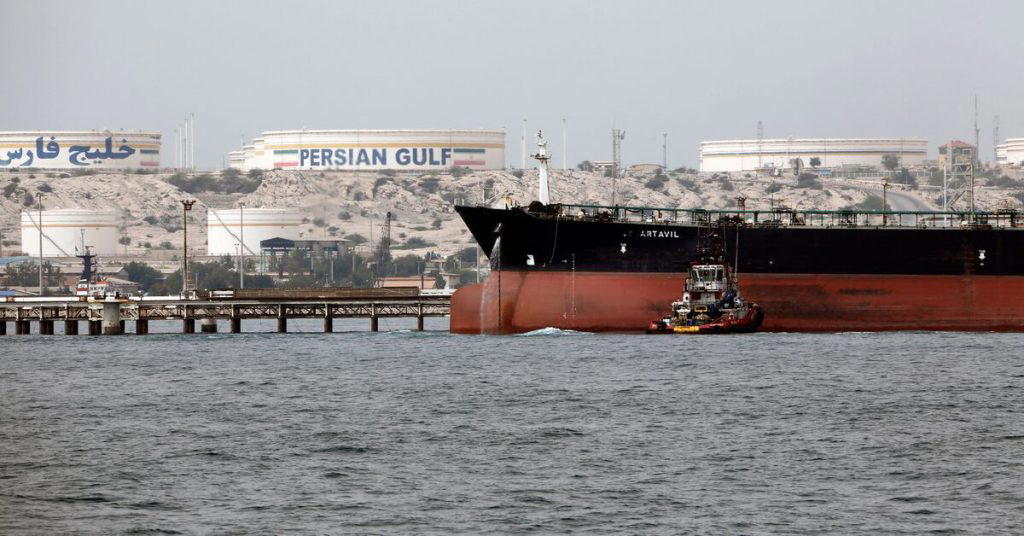
The recent revocation of Iran's oil waiver by the US Treasury Department marks a significant escalation in tensions following attacks on tankers in the Strait of Hormuz. Initially granted in June, the license allowed Iran to produce and sell crude oil until August 21, but the situation has drastically shifted due to security concerns.
The decision comes amid increasing threats to maritime safety in the region, with the US citing the need to protect global oil supply routes as a primary reason for its action. "We cannot allow hostile actions to threaten the stability of vital shipping lanes," stated John Smith, a senior official at the US Treasury. The move is likely to strain Iran's already struggling economy, which relies heavily on oil exports.
As the geopolitical landscape remains fraught, analysts predict that this revocation could further isolate Iran, pushing it to seek alternative partnerships with nations less aligned with US interests. The ongoing uncertainty may also lead to increased volatility in global oil markets, as stakeholders grapple with the implications of renewed sanctions and potential military responses in the region.
