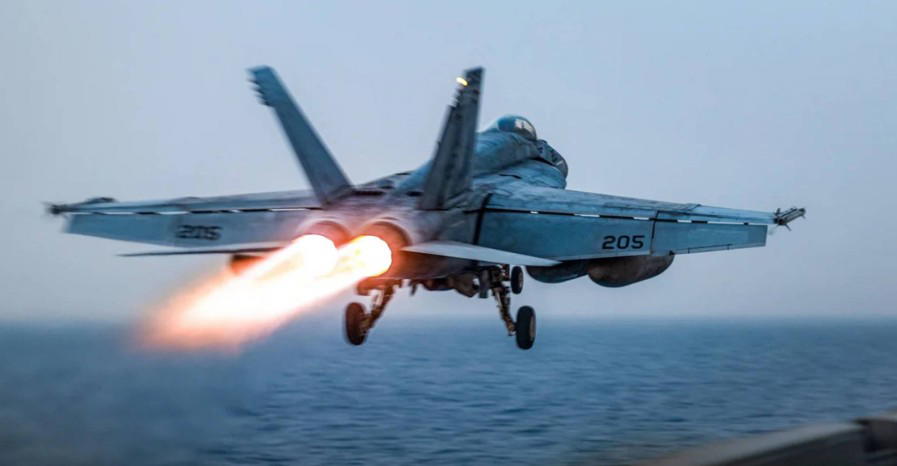
The recent military exchanges between the United States and Iran, triggered by attacks in the strategic Strait of Hormuz, mark a significant escalation in regional tensions, jeopardizing fragile peace efforts. Following U.S. strikes that targeted Iranian military assets, reports indicate that both sides have engaged in a series of retaliatory actions, with severe implications for global oil markets, which have witnessed prices surge to a two-week high.
The backdrop of these hostilities stems from an interim agreement aimed at stabilizing the Middle East, a deal already strained by previous incidents in the region. “We are committed to protecting our interests and those of our allies in the Gulf,” stated General Mark Milley, Chairman of the U.S. Joint Chiefs of Staff. This statement underscores the U.S. military's resolve amidst rising geopolitical stakes.
Looking ahead, the potential for further conflict looms large, raising questions about the viability of ongoing diplomatic negotiations. As both nations navigate this precarious landscape, the international community watches closely, aware that the outcomes of these confrontations could reshape the energy dynamics and security frameworks in the Middle East.

