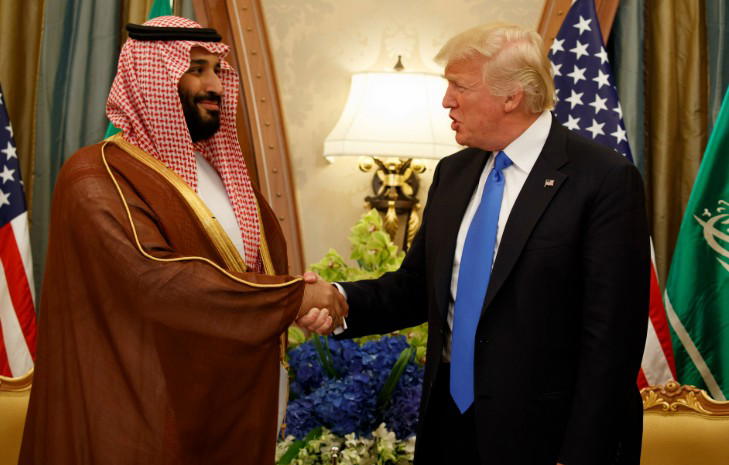
In a recent statement, the United States emphasized its unwavering commitment to countering jihadist threats, underscoring the ongoing risks these groups pose to global stability. Despite significant progress in international counter-terrorism campaigns, the U.S. highlighted that organizations like al-Qaeda and ISIS continue to exploit vulnerabilities worldwide.
The Biden administration has pledged to enhance its counter-terrorism strategies through a combination of diplomacy, financial measures, and military cooperation with allied nations. National Security Advisor Jake Sullivan asserted, "Our commitment to our partners is as strong as ever, and we will not waver in our efforts to dismantle these networks." This sentiment reflects a broader recognition of the complexities involved in combating terrorism, as recent events have shown that even concerted global efforts can fall short.
Looking ahead, the U.S. is likely to reassess its strategies in response to evolving jihadist tactics and the changing geopolitical landscape. As the 2026 elections approach, how effectively the administration addresses these threats may significantly influence public perception and the overall security agenda, reaffirming that vigilance remains paramount in the fight against terrorism.