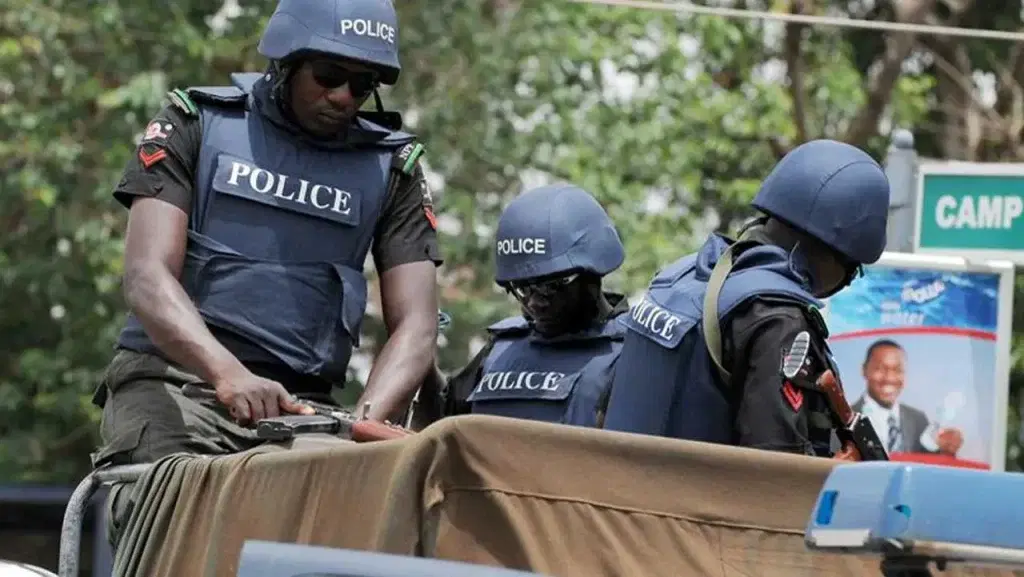
The recent withdrawal of US troops from Nigeria marks a significant shift in the counterterrorism landscape in West Africa. This decision follows a series of successful operations against the Islamic State (ISIS/Daesh) but highlights a complicated relationship between the US and Nigeria amid ongoing security challenges.
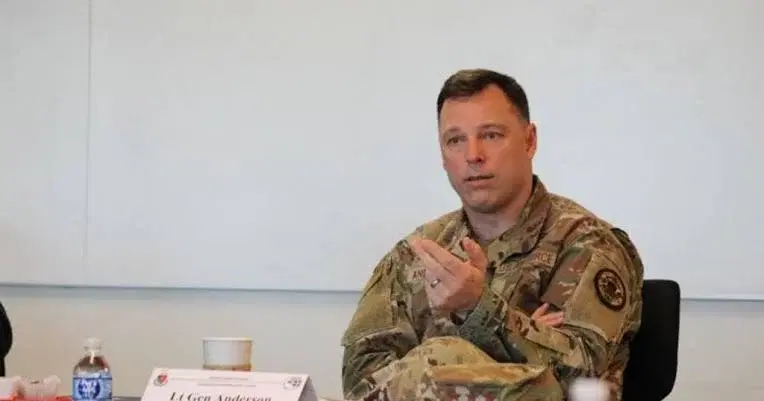
General Dagvin Anderson, Commander of US Air Forces in Africa, emphasized that despite the troop pullout, "the partnership between Washington and Abuja remains active, particularly in intelligence operations targeting ISIS." This statement underscores the continued commitment to support Nigeria’s fight against terrorism, albeit in a different capacity. The US has played a critical role in equipping and training Nigerian forces, which have faced increasing pressure from various militant groups.
As Nigeria grapples with the implications of this military shift, the focus will likely turn to enhancing local capabilities through intelligence sharing and strategic partnerships. The future effectiveness of counterterrorism efforts in Nigeria will depend on the ability to adapt to changing dynamics and maintain international cooperation in the face of persistent threats.