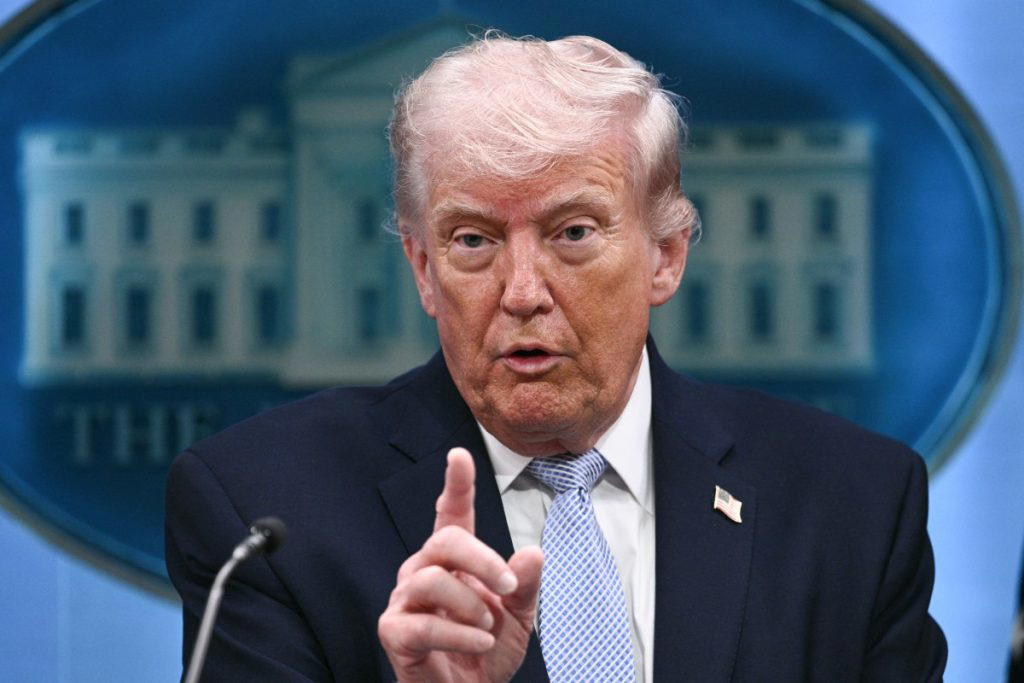
The Trump administration's renewed Africa strategy marks a significant shift in U.S. foreign policy, emphasizing national sovereignty and commercial partnerships, with Nigeria at the forefront. As Washington reassesses its approach, the commitment to support Nigeria directly reflects the recognition of its strategic importance in the region.
Key developments include increased diplomatic engagement and economic collaboration, aimed at bolstering Nigeria's capacity to lead in West Africa. The administration seeks to foster a mutually beneficial relationship that prioritizes U.S. commercial interests while enhancing Nigeria's stability and governance. "Our focus is on empowering Nigeria to take charge of its destiny, which in turn strengthens our interests in the region," stated Linda Thomas-Greenfield, U.S. Ambassador to the United Nations.
This pivot signifies a broader attempt to counter China's growing influence in Africa and reinforce U.S. ties with key partners. As these initiatives unfold, their success will hinge on Nigeria's ability to navigate its internal challenges while leveraging U.S. support to enhance regional leadership. The outcomes of this strategy could reshape geopolitical dynamics in Africa for years to come.