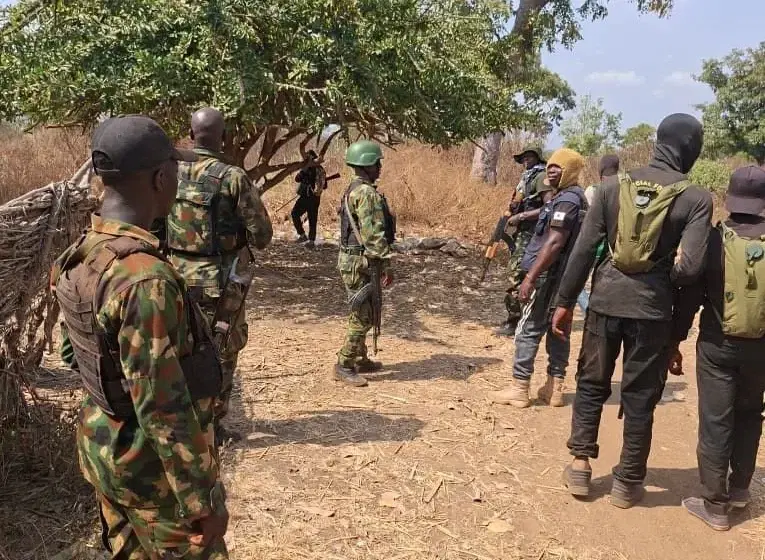
The recent announcement by the US military that it has eliminated approximately 200 Islamic State-linked militants in Nigeria underscores a significant escalation in international counterterrorism efforts in West Africa. These operations, initiated in response to the growing influence of extremist groups in the region, reflect a strategic pivot towards more proactive measures to ensure stability.
The US has intensified its focus on Nigeria, a nation grappling with a surge in violence linked to both Boko Haram and IS-affiliated factions. This military engagement aims not only to dismantle these groups but also to support Nigerian forces in maintaining security. As US Africa Command spokesperson, Colonel Chris Karns, stated, “Our operations are designed to disrupt terrorist activities and protect innocent lives.”
Looking forward, the ongoing US intervention raises questions about the long-term implications for Nigerian sovereignty and regional stability. While the immediate impact may include a reduction in militant activities, the underlying socio-economic issues that fuel extremism remain unaddressed. A comprehensive approach that combines military action with development and community engagement will be crucial for sustainable peace in Nigeria.